Giving Teenagers a Real Role in the Day
Teenagers are significantly more engaged when they have made at least part of the decision about how a day unfolds. Before arriving in Azrou, involve them in the planning conversation: what do they most want to photograph, what are they curious about, do they want a physical challenge or a more cultural focus? A private guide who receives this input in advance can build an itinerary that incorporates teenage priorities alongside the broader family interests, making the teenager feel consulted rather than transported.
On the trail itself, offer teenagers specific responsibilities: tracking the route on a map, timing sections, taking the lead on a flat stretch, or serving as the group's de facto wildlife photographer. These small acts of ownership transform the dynamic from a family being guided to a group exploring together. A good local guide reads this dynamic quickly and finds natural moments to address questions directly to the teenager rather than only to the adults.
Trail Options That Match Teenage Energy
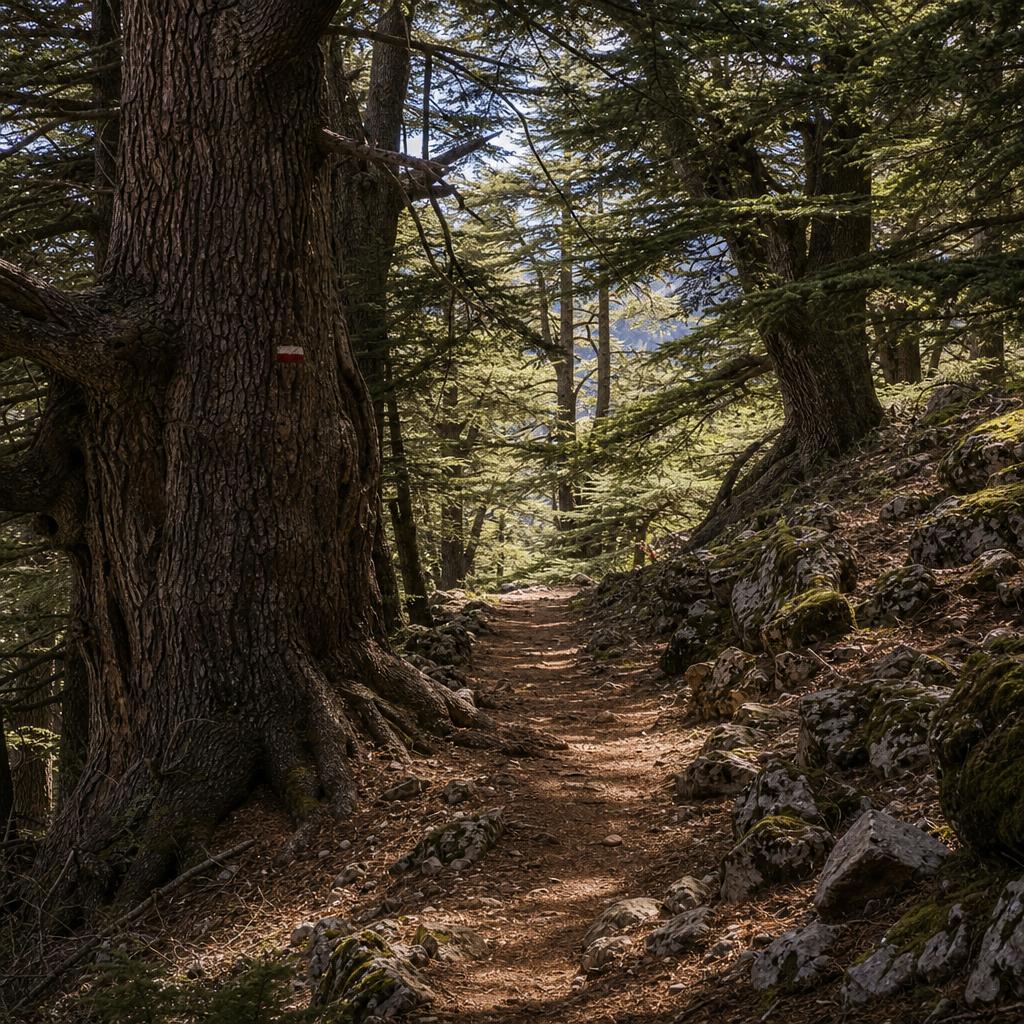
Teenagers often have more physical energy and risk tolerance than younger children, and a route that is too short or too easy can feel patronising. The cedar forest area offers enough varied terrain that a guide can build a half-day walk with some elevation change, route-finding interest, and a destination — a viewpoint, a particular grove, or a seasonal waterfall — that provides a sense of arrival. Ask specifically about options that involve a meaningful challenge without extreme technical difficulty.
For teenagers interested in photography, the forest offers strong material: the scale and texture of ancient cedars, the contrast between forest interior and mountain sky, and the unpredictability of macaque movement all reward patient observation. A guide can help with composition ideas and with finding less photographed angles away from the most visited clearings. Emphasise ethical distance from wildlife — a telephoto or a standard phone camera at respectful range produces better images than a close approach, and teenagers generally respond well to the craft argument rather than just the rule.
- Ask the guide for a route with some elevation or a clear destination
- Offer the teenager a specific role: photographer, navigator, or wildlife spotter
- Discuss their interests beforehand and share them with the guide
- Consider adding a short cultural detour if your teenager has an interest in Amazigh history or mountain life
Conservation Conversations Worth Having
The Azrou cedar forest is a genuinely valuable ecosystem under real pressures — from climate-related drought stress on the cedars to the ongoing impact of illegal feeding on the Barbary macaque population, which is classified as endangered. Teenagers who are given this context, rather than just a rule sheet, often become the most thoughtful members of a family group around wildlife. A guide can explain what the feeding problem actually looks like in practice and why the macaques that approach tourists are often those most harmed by tourist behaviour.
Middle Atlas Amazigh communities have their own complex relationship with the forest as an economic and cultural resource. A guide who speaks to this honestly — the tensions between conservation, tourism, and local livelihoods — offers teenagers a much richer picture of the place than a simple nature walk. This kind of layered understanding is exactly what resonates with curious young people who are tired of being told what to think and want to form their own views.
Handling Disconnection, Boredom, and the Phone Question
Most teenagers will want their phone in the forest, and this is not a problem — used as a camera, a nature identification tool, or a way to share moments with friends in real time, a phone can actually deepen engagement. The question is whether the phone is driving attention away from the forest or enhancing it. Framing phone use around active documentation rather than passive scrolling — 'can you get a shot of the bark texture from this angle?' — tends to redirect attention toward the environment without a confrontation.
If a teenager disengages at some point during the day, it is usually worth pausing rather than pushing. A short rest, a snack, and a few minutes of space often restores energy more effectively than pressing on. Most teenagers who show low energy mid-trail find a second wind at a viewpoint or a wildlife sighting. A guide who reads this moment and shifts focus naturally — asking the teenager a direct question, pointing out something unexpected — is worth more than a fixed itinerary that ignores the group dynamic.