100 guides to help you plan a better visit
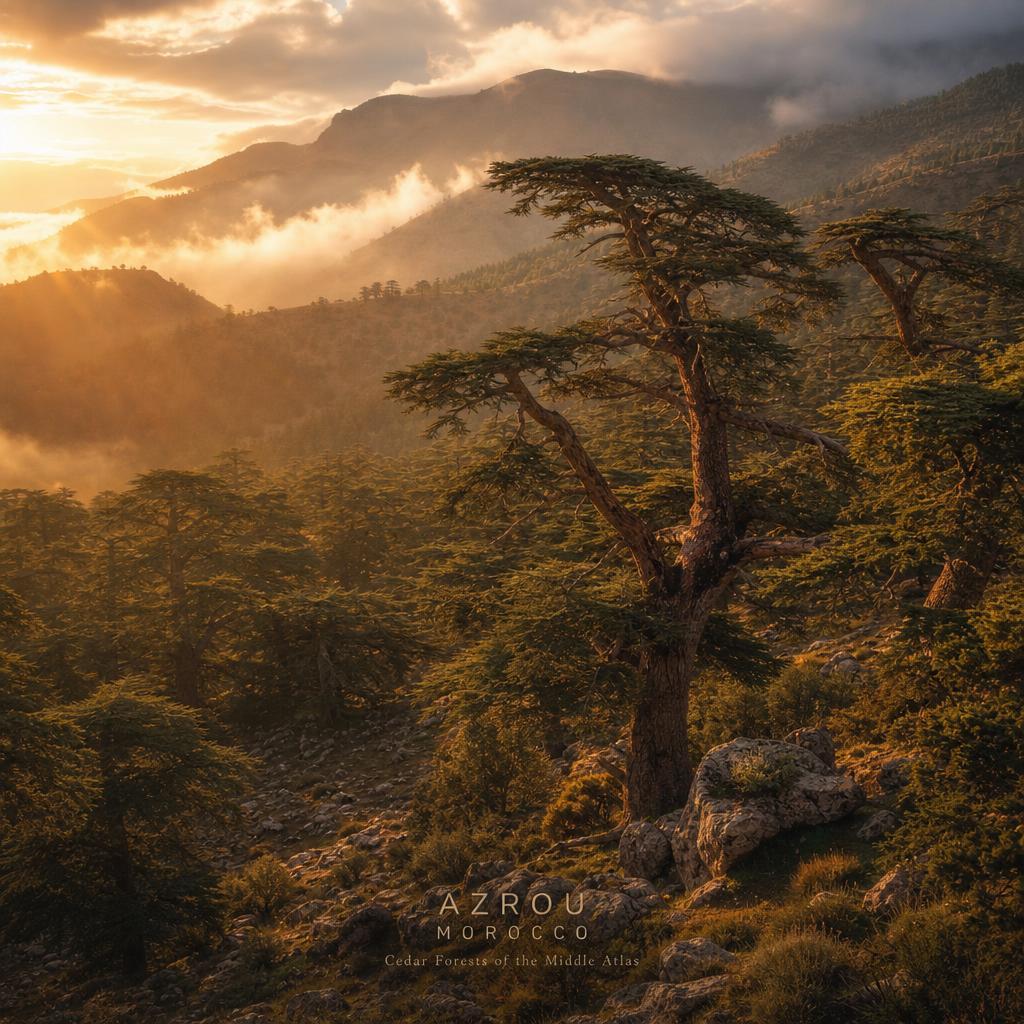
Cedar Forest
-
First-Time Visitor Checklist for the Azrou Cedar Forest
First visits to the Azrou cedar forest are most satisfying when the practical side is sorted before you arrive. This checklist covers packing, planning, etiquette and a few things most visitors only learn after their first trip.
-
Forest Conservation Habits Every Azrou Visitor Can Practise
You do not need to be a conservationist to reduce your impact in the Azrou cedar forest. A small number of consistent habits — most of them free and effortless — make the difference between a visit that harms and one that does not.
-
Sunrise in the Azrou Cedar Forest: What to Expect and How to Prepare
The cedar forest near Azrou is transformed at sunrise: the light arrives through the canopy at a low angle, the air is coldest and clearest, and the forest is at its quietest before the day begins in earnest. Arriving early requires effort, but the reward is consistent.
-
Choosing a Guided Cedar Forest Walk in Azrou: What to Look For
A good guide transforms the Azrou cedar forest from a scenic walk into a genuinely informative experience. A poor one reduces it to a rushed checklist. Here is how to tell the difference before you commit.
-
What the Azrou Cedar Forest Actually Feels Like to Walk Through
Photographs of the Azrou cedar forest tend to flatten the experience: they capture the trees but miss the smell, the temperature drop, the particular quality of light and the feeling of being genuinely small beneath something very old. This article tries to fill that gap.
-
Cedar Forest Etiquette: How to Visit Without Causing Harm
The Azrou cedar forest is a living ecosystem shared by wildlife, local communities and visitors. Simple, consistent etiquette makes the difference between a visit that is genuinely harmless and one that leaves an invisible cost behind.
-
Finding Quiet in the Azrou Cedar Forest
The Azrou cedar forest is famous enough to draw visitor coaches on busy weekends, yet quiet enough on weekday mornings to feel entirely your own. Knowing where the crowds concentrate — and where they do not — makes all the difference.
-
Short or Long Forest Visit: How to Use Your Time in Azrou
Not every traveller has a full day for the cedar forest, and not every short visit is shallow. Understanding what each time window allows — and what it does not — helps you plan honestly and leave satisfied.
-
Atlas Cedar Trees: Ecology and Meaning in the Middle Atlas
The Atlas cedar is not simply a large tree — it is a keystone species shaping water, soil, wildlife and human life across the Middle Atlas. Understanding a little of its ecology before you visit transforms what you see beneath the canopy.
-
Finding Your Feet in the Azrou Cedar Forest
The Azrou cedar forest sits just minutes from the town centre, yet many first-time visitors arrive unsure where to enter or what they are looking at. A little orientation before you leave your accommodation makes the whole experience more rewarding.
Wildlife
-
How to Choose a Responsible Wildlife Guide in Azrou
Your guide shapes the entire character of a wildlife visit in Azrou — not just where you go, but how the animals are treated and what you learn. Knowing what to ask before you book helps you find a guide whose approach you can trust.
-
The Art of Quiet Observation: How Stillness Unlocks the Azrou Forest
The cedar forest near Azrou rewards slowness in ways that a rushed visit cannot access. Learning a few simple techniques for quiet, attentive observation changes not just what you see, but how deeply you experience what the forest offers.
-
Inside the Cedar Habitat: Why the Azrou Forest Matters for Barbary Macaques
Barbary macaques do not simply live in the cedar forest — they are ecologically woven into it. Understanding the relationship between the macaques and their habitat changes the way you walk through the forest and deepens what the experience means.
-
Reading Barbary Macaque Body Language: A Field Guide for Visitors
Macaque behaviour is expressive and readable once you know what to look for. Understanding the difference between calm, curious, and stressed signals makes your visit safer, more interesting, and far less likely to end with an unwanted interaction.
-
Barbary Macaque Sightings in Azrou: Seasons, Conditions and What Shapes Your Chances
Macaque sightings in the Azrou cedar forest are common but never guaranteed. Knowing which conditions tend to bring troops closer to forest trails — and which send them deeper into the canopy — helps you set realistic expectations and plan a visit with the best possible odds.
-
What to Do When a Barbary Macaque Approaches You in the Forest
It can be startling the first time a Barbary macaque walks directly toward you. Understanding why they approach, how to read their intentions, and what to do — and not do — keeps the moment safe and positive for both sides.
-
Wildlife Photography Distance Guide: Shooting Macaques Without Crowding Them
Great wildlife photographs from Azrou's cedar forest do not require getting close — they require the right glass, patient positioning, and understanding of animal behaviour. This guide walks through the practical setup for photographing Barbary macaques ethically and effectively.
-
Family Wildlife Etiquette in Azrou: Preparing Children for the Cedar Forest
Visiting wild macaques with children is an extraordinary experience — and one that benefits from a little preparation. Knowing what to expect, how to behave, and what to do if an animal approaches helps keep the day enjoyable for everyone, including the macaques themselves.
-
Why Feeding Macaques in Azrou Is Harmful — and What to Do Instead
Across the Azrou cedar forest, signs ask visitors not to feed the macaques — but the reasons go deeper than a rule on a board. Understanding the specific harm that food provisioning causes helps every visitor make a genuine choice to observe differently.
-
How to Watch Barbary Macaques Ethically in Azrou
Watching wild Barbary macaques in the Azrou cedar forest is one of Morocco's most memorable wildlife encounters. But observing them well means understanding what responsible distance looks like and why calm, unhurried watching is better for the animals — and for you.
Hiking
-
Hiking Safety and Turnaround Decisions on Middle Atlas Trails
Summit fever — the impulse to push on regardless of warning signs — affects hikers on routes of every difficulty level. On Middle Atlas trails near Azrou, the changing weather, remoteness of some routes, and afternoon light windows make turnaround decisions genuinely important. This guide covers the conditions and signals that should prompt you to turn back, and how to make that call without hesitation.
-
How to Prepare for a Full Day Hike in the Middle Atlas Near Azrou
A full day in the Middle Atlas is a substantially different undertaking from a half-day forest walk. The physical demands, logistics, and gear requirements scale considerably with duration. This guide covers everything you should do the day before and the morning of a longer hike to make the experience smooth, safe, and genuinely rewarding.
-
Beginner Hiking Near Azrou: Where to Start in the Cedar Forest
The cedar forest near Azrou is one of the most welcoming places in Morocco to experience mountain walking for the first time. Flat, well-shaded trails with no technical terrain make it accessible to people who have never hiked before. This guide explains where to start, what beginner walkers find easy or surprising, and how to build from there.
-
What to Expect on Waterfall Terrain Hikes Near Azrou
Hiking to the waterfalls near Azrou is one of the most visually rewarding routes in the Middle Atlas, but the terrain near cascades is genuinely different from forest walking. Wet rock, narrow gullies, seasonal water levels, and scrambling sections demand specific preparation. This guide covers what makes waterfall terrain unique and how to approach it safely.
-
Managing Heat on Summer Hikes Near Azrou: Practical Advice
The Middle Atlas is significantly cooler than Morocco's cities in summer, but exposed ridge trails and midday sun can still create genuine heat stress on longer hikes. Knowing when to walk, how much to drink, and what the warning signs of heat exhaustion look like makes the difference between a great summer day and a difficult one.
-
Winter Hiking in the Middle Atlas: What to Expect Near Azrou
The Middle Atlas receives meaningful snowfall between November and March, and the cedar forest near Azrou under snow is one of the more striking landscapes in Morocco. Winter hiking here is rewarding but demands different preparation than summer. This article covers the cold-season realities, route choices, and layering system you'll need.
-
Hiking in the Azrou Cedar Forest When It Rains: What to Know
Rain does not automatically cancel a forest walk in the Middle Atlas — it often changes the experience into something more atmospheric, quieter, and photographically interesting. But it does change what you need to wear, how you manage the trail, and which routes are safe to attempt. This guide explains the practical realities of hiking near Azrou in wet weather.
-
Understanding Trail Difficulty Ratings Around Azrou and the Middle Atlas
Trail difficulty labels like 'easy' and 'moderate' mean different things in different mountain ranges. In the Middle Atlas near Azrou, those words carry specific implications about elevation gain, surface type, and duration that are worth understanding before you choose a route. This article breaks down each level honestly.
-
What to Pack in Your Daypack for a Day Hike Near Azrou
A well-packed daypack is the difference between a comfortable mountain day and an avoidable struggle. The Middle Atlas environment near Azrou demands a slightly different kit list than a beach walk or city stroll. This guide covers what to bring, how much water to carry, and what most visitors forget.
-
Choosing the Right Footwear for Hiking in the Azrou Cedar Forest
The Azrou cedar forest offers a wide range of surfaces underfoot, from smooth packed earth to loose gravel and muddy creek edges. Choosing the right footwear before you arrive makes a genuine difference to comfort and confidence on the trail. This guide explains what to look for and what to skip.
Seasons
-
Weather Contingencies in Azrou: How to Plan When Conditions Change
The Middle Atlas is mountain country, and mountain weather does not negotiate with travel itineraries. Rain can close a waterfall trail, snow can arrive overnight, and mist can sit in the cedar forest for an entire morning. Travelers who plan for this — rather than ignoring it — consistently have better experiences than those who arrived expecting guaranteed conditions.
-
Planning Around Daylight in Azrou: Sunrise Times, Sunset and Seasonal Light
Daylight in the Middle Atlas changes more than many visitors account for. The difference between a June day and a December day is over five hours of usable light. Getting this right in your planning — knowing roughly when to start, what each season allows and how light quality shifts through the day — shapes the quality of your time in the cedar forest significantly.
-
Packing for Azrou's Shoulder Season: Spring and Autumn Essentials
The Middle Atlas in spring and autumn is neither cold-weather expedition territory nor summer camping. The challenge is daily variability — cool mornings, warm middays and cold evenings that can each feel like a different season. Packing layers that genuinely work across that range, without overloading your bag, is the practical problem this guide addresses.
-
Visiting Azrou During Ramadan: What Travelers Should Know
Ramadan is a significant period in Moroccan life, and Azrou is no exception. Visitors who understand what changes — and what does not — tend to have rewarding, respectful experiences. This guide covers the practical realities of touring the cedar forest, finding food and navigating daily life during the holy month without guesswork or false assumptions.
-
Snow in Azrou: What to Realistically Expect in the Cedar Forest
Many visitors are surprised to learn that Azrou and the Middle Atlas receive real, sometimes heavy snowfall in winter. The cedar forest under snow is one of the most striking landscapes in Morocco — and one of the least photographed. This guide explains when snow is realistic, how it affects access and tours, and what preparation looks like.
-
Azrou Month by Month: A Practical Seasonal Guide for First-Time Visitors
No two years in the Middle Atlas are identical, but seasonal patterns hold well enough to be useful for planning. This month-by-month overview explains the general character of each period in Azrou — temperatures, trail conditions, crowds and what each month tends to offer — without making promises that mountain weather cannot keep.
-
Azrou in Winter: Snow, Silence and a Very Different Cedar Forest
Winter turns the Azrou cedar forest into something few visitors ever see — snow-covered cedar boughs, crisp mountain air and a quiet that feels almost sacred. It is not the easiest season to plan around, but travelers who arrive prepared often find it the most visually striking time of year. Understanding what winter actually means at altitude is the starting point.
-
Azrou in Autumn: Golden Cedar Light, Quiet Trails and Changing Colours
Autumn is a quieter, often overlooked season in Azrou that rewards visitors who plan around it. Summer crowds thin out after the school holidays, temperatures settle into a comfortable range, and the forest light shifts to something photographers tend to describe as the best of the year. October and November offer particularly good conditions for unhurried exploration.
-
Visiting Azrou in Summer: Cool Altitude, Cedar Shade and Long Days
While coastal and desert Morocco can feel punishing in July and August, Azrou's altitude keeps temperatures noticeably cooler. The cedar forest provides deep shade, and long summer days mean there is time to combine a morning hike with an afternoon village visit. That said, summer brings its own trade-offs worth knowing about.
-
Azrou in Spring: Wildflowers, Cedar Forest and Perfect Hiking Weather
Spring is one of the most rewarding seasons to visit Azrou. Temperatures climb gently, the cedar forest fills with new growth, and waterfalls run at their strongest after winter snowmelt. Wildlife activity increases, making April and May particularly good months for unhurried forest walks.
Azrou Planning
-
How to Book a Local Guide in Azrou: What to Know Before You Ask
A good local guide in Azrou does more than point out trees and macaques — they provide the ecological context, cultural depth, and logistical knowledge that make the Middle Atlas genuinely comprehensible. Here is what to know before you book.
-
Combining Azrou Town and the Cedar Forest: A Complete Day Out
Azrou is both a living Amazigh market town and the gateway to one of North Africa's most impressive cedar forests. Combining both in a single day is genuinely possible — and deeply satisfying — if you organise the order well.
-
Where to Stay in Azrou: Choosing the Right Base for Your Visit
Azrou's accommodation options are modest by big-city standards but varied enough to suit different budgets and travel styles. Where you stay shapes how easily you can reach the forest, the market, and the guides who make the place come alive.
-
Getting Around Azrou and the Cedar Forest: Transport Without the Guesswork
Transport in the Middle Atlas is more flexible than most travellers expect, but it also requires a different mindset than booking a train in Europe. This guide explains the practical landscape without pretending that timetables are fixed.
-
Azrou from Ifrane: The Short Road into the Cedar Forest
Ifrane is where many Middle Atlas visitors arrive; Azrou is where the forest and the living Amazigh culture actually begin. The short journey between them is worth understanding before you decide where to spend your time.
-
Getting to Azrou from Meknès: A Practical Travel Guide
Meknès is one of Morocco's great imperial cities and a natural partner for an Azrou visit. The two destinations sit close enough for a comfortable connection, and the contrast between city grandeur and mountain forest is striking.
-
Getting to Azrou from Fez: Routes, Options, and What to Expect
Fez is the most common starting point for a visit to Azrou, and the journey through the Middle Atlas foothills is part of the experience. Understanding your options before you leave makes the day considerably smoother.
-
Two Days in Azrou: A Relaxed and Rewarding Itinerary
Two days in Azrou is enough time to feel genuinely settled in the Middle Atlas rather than just passing through. You can split your attention between the forest, the wildlife, and the living Amazigh culture of the surrounding villages — and still leave room to breathe.
-
One Day in Azrou: How to Make It Count
One day in Azrou is a genuine treat if you use it well — and easy to waste if you spend it rushing between stops. This guide gives you a clear, honest framework for a single satisfying day in the Middle Atlas.
-
First-Time Visitor's Guide to Azrou: What to See and Do
Azrou sits at the heart of Morocco's Middle Atlas, surrounded by ancient cedar forest and Amazigh mountain culture. First-time visitors often arrive without a clear plan and leave wishing they had stayed longer. This guide gives you a honest starting point.
Culture & Food
-
How to Buy Crafts Respectfully in the Middle Atlas
Buying a craft in the Middle Atlas can be a meaningful act of support for an artisan and their community — or a casual souvenir transaction that adds little to either party. Understanding the difference, and what to ask, makes the exchange more honest on both sides.
-
Useful Greetings for Visitors to the Middle Atlas and Azrou
A few words of greeting in the local language open more doors in the Middle Atlas than any other preparation. This guide gives you practical, useful phrases without pretending a short article can teach you dialect nuance.
-
Planning Your Azrou Visit Around Fridays and Public Holidays
Friday is Morocco's day of congregational prayer and the rhythm of life in Azrou changes noticeably. Public holidays bring similar shifts. Knowing what to expect means your visit works with the local calendar rather than against it.
-
How to Communicate Dietary Needs and Restrictions in Morocco
Morocco's cuisine is welcoming and flexible — but communicating specific dietary needs clearly and kindly takes some preparation. A local guide and a few key phrases make the difference between a stressful meal and an easy one.
-
Local Food Worth Trying Around Azrou and the Middle Atlas
Middle Atlas food is honest, seasonal and deeply connected to the altitude and landscape it comes from. Knowing what to look for — and where — helps visitors eat something real rather than a tourist-facing version of Moroccan cuisine.
-
Mint Tea and Moroccan Hospitality: What Visitors Should Know
Mint tea in Morocco is not simply a drink — it is a language of welcome, generosity and relationship. Understanding what the ritual communicates, and how to participate in it, makes almost every interaction in the Middle Atlas richer.
-
Azrou Market Etiquette: How to Shop and Browse with Confidence
Azrou's Tuesday market draws traders, farmers and artisans from across the Middle Atlas. For visitors, it is one of the most vivid introductions to regional life — and it rewards a little preparation on how to move, interact and buy.
-
Asking Permission Before You Photograph People in Morocco
A camera pointed at a stranger without consent is uncomfortable in any culture. In rural Morocco, it can feel like a deeper violation — of privacy, dignity and a community's relationship with tourism. Asking permission is not a bureaucratic hurdle; it is the beginning of a real interaction.
-
How to Visit an Amazigh Village Respectfully Near Azrou
A village visit in the Middle Atlas is not a performance — it is an encounter with people's everyday lives. Getting that encounter right takes a little preparation and a lot of attentiveness. A good local guide makes both much easier.
-
Amazigh Identity in the Middle Atlas: What the Word Means and Why It Matters
The people of the Middle Atlas have their own name for themselves: Amazigh, meaning 'free people.' Understanding this helps travelers engage more respectfully and meaningfully during any visit to the region. Knowing the vocabulary behind a culture is itself a form of respect.
Photography
-
How to Plan a Full Middle Atlas Photography Day from Azrou
A well-planned photography day in the Middle Atlas around Azrou combines at least three visually distinct environments: the enclosed cedar forest at low light, the open plateau or ridge panoramas in midday clarity, and the cultural or village scenes that work best in soft afternoon light. Getting the sequence right — matching subject type to light quality and timing — dramatically improves the consistency and variety of the images you bring home.
-
Family Travel Photography Tips for an Azrou Cedar Forest Day
Photographing your family in the cedar forest near Azrou is rewarding when you stop trying to arrange them into posed shots and start photographing what actually happens. Children exploring a trail, an adult pausing to look up through the canopy, a moment of shared curiosity over a piece of bark or a bird call — these genuine reactions to the forest produce images that carry real emotional weight long after the trip ends.
-
Photographing Autumn Colour in the Azrou Cedar Forest
Autumn in the Middle Atlas brings a colour shift that transforms the landscape around Azrou. While cedar trees remain evergreen, the deciduous oak, ash and hawthorn that grow alongside and below them turn gold, amber and deep rust before shedding. Combined with the lower-angle autumn light and the clear mountain air that follows summer, this creates several weeks of genuinely outstanding photographic conditions. Timing, light direction and understanding which trees are deciduous all influence the results you bring home.
-
Rainy-Day Photography in the Middle Atlas: What to Shoot and How
Overcast skies and rain are not photography problems in the Middle Atlas — they are different creative conditions. Rain saturates colour, fills waterfalls, creates mist on the cedar ridges and adds reflective surfaces throughout the forest floor. Knowing what looks best in wet light means a cloudy day on your itinerary becomes an opportunity rather than a disappointment.
-
Photography, Consent and Respect in Amazigh Villages Near Azrou
Photographing in an Amazigh village near Azrou is a privilege that depends entirely on building genuine trust before raising your camera. The communities in the Middle Atlas have lives, work and dignity that deserve more than being treated as backdrop material for travel images. A thoughtful approach — asking clearly, accepting 'no' gracefully and spending time in conversation before shooting — produces both better photographs and a more meaningful experience.
-
Choosing Lenses for Middle Atlas Landscape Photography
The Middle Atlas offers three visually distinct environments within a short distance of Azrou: the enclosed intimacy of the cedar forest, the wide open plateau and ridge panoramas, and the compact geometry of mountain villages. Each rewards a different focal length. Bringing more than one lens option, or using a versatile zoom range, lets you respond to what you actually find rather than what you planned to photograph.
-
Phone Photography Tips for the Azrou Cedar Forest
Modern smartphones are capable of impressive results in the cedar forest if you understand their strengths and work around their limitations. Forest light, wildlife behaviour and mountain landscapes each push phone cameras in different ways, but a few consistent habits dramatically improve the quality of what you bring home — no extra gear required.
-
Ethical Barbary Macaque Photography Near Azrou
The Barbary macaque is the only wild primate native to Africa north of the Sahara, and the cedar forests around Azrou are among the best places to observe them in their natural habitat. Getting a powerful photograph does not require proximity — it requires patience, the right focal length and an understanding of what undisturbed natural behaviour actually looks like. Ethical photography keeps the animals calm, keeps you safer, and produces more authentic images.
-
Forest Photography Exposure Techniques for the Middle Atlas
Photographing inside a dense cedar forest means managing a scene that ranges from deep shade to brilliant sky patches in the same frame. Understanding how your camera meters the available light, and when to override that meter, separates muddy, underexposed forest shots from ones that hold texture and colour. These techniques apply whether you are using a DSLR or a recent smartphone.
-
How to Photograph Sunrise Light in the Azrou Cedar Forest
The half-hour after first light transforms the cedar forest into a cathedral of gold and shadow. Arriving before the sun clears the ridge gives you soft, directional light that makes bark textures and forest mist genuinely special. Planning your walk around sunrise rather than convenience is one of the most effective changes any forest photographer can make.
Family Travel
-
How to Choose a Private Family Guide in Azrou: What Actually Matters
Not every good outdoor guide is a good family guide, and not every guide who says they are experienced with children has actually developed the specific skills that family travel requires. Choosing the right private guide for an Azrou visit makes a meaningful difference to how the day unfolds — not just in practical logistics, but in the quality of engagement, the handling of unexpected moments, and the degree to which the experience feels genuinely tailored to your family.
-
Rainy-Day Flexibility in Azrou: What Families Can Do When the Weather Changes
The Middle Atlas receives genuine mountain rainfall, including summer afternoon storms that can turn a planned forest walk into something very different. Families who arrive in Azrou with only one plan are more exposed than those who have thought through a flexible alternative. The good news is that a change of weather in Azrou does not have to mean a wasted day — it simply requires a different kind of visit.
-
How to Pace a Family Day in Azrou So Everyone Actually Enjoys It
The most common reason a family day in Azrou goes wrong is not the destination — it is the pacing. A schedule that treats children as small adults, or that pushes through fatigue signals in the name of seeing everything, typically produces a miserable afternoon and a difficult drive home. Getting the rhythm right from the start — and knowing when to stop, rest, and redirect — makes the difference between a day the family remembers fondly and one they would rather forget.
-
Packing Family Snacks for Azrou Without Exposing Food Near Macaques
Families with young children need snacks on any outdoor day, but visible or accessible food in the Azrou cedar forest creates genuine problems around Barbary macaques. The good news is that this is entirely manageable with straightforward packing habits and clear behaviour rules. This guide explains exactly how to bring what your family needs without putting the macaques — or your children — in an uncomfortable situation.
-
Wildlife Rules for Families at Azrou: Teaching Children to Watch, Not Touch
The Barbary macaque is one of the most compelling wildlife encounters available in Morocco, and children are drawn to them instinctively. That instinct — to reach out, to offer food, to get closer — is the exact behaviour that causes real harm to an endangered population and can lead to frightening moments for a child. Getting the rules right before you reach the forest, and framing them in a way that makes sense to a child, is the most important preparation a family can do.
-
Cedar Forest Safety for Families: What to Know Before You Walk
The Azrou cedar forest is a gentle environment by mountain standards, but it is still a natural landscape with real terrain variation, weather unpredictability, and wild animals. Families who arrive with a clear picture of the safety considerations — rather than either over-worrying or ignoring them entirely — tend to have the most relaxed and enjoyable visits. This guide covers the practical safety points without exaggerating any of them.
-
Azrou for Multigenerational Families: Bridging Ages on One Trip
Multigenerational travel — grandparents, parents, and children all together — presents a particular planning challenge in an outdoor destination like Azrou. The forest is flexible enough to accommodate a wide range of mobility and energy levels, but only if the day is structured thoughtfully from the start. A private guide who understands the group composition can make the difference between a day that fragments and one that genuinely brings different generations together.
-
Azrou with Teenagers: How to Keep the Experience Genuinely Engaging
Teenagers can be the most rewarding travel companions in the Azrou cedar forest — when the day is structured around their autonomy rather than managed like a school trip. The right route, the right guide, and a genuine invitation to engage on their own terms tends to produce the most memorable family experiences in the Middle Atlas. Here is what to think about before you arrive.
-
Azrou Cedar Forest with School-Age Children: Activities and Tips
Children between five and twelve tend to be the ideal age group for a cedar forest day in Azrou. Old enough to walk a meaningful trail and ask good questions, young enough to find genuine magic in a Barbary macaque troop or an enormous ancient cedar, this age group gets a great deal from a well-guided forest visit. The key is matching the experience to their curiosity rather than treating it as a simple walk.
-
Visiting Azrou with Toddlers: What Families Should Know
Azrou's cedar forest can be genuinely wonderful for families with very young children — but getting the details right makes all the difference. Short, flat trails, flexible timing, and a guide who adapts on the spot turn a potentially stressful outing into a memorable one. Here is what to know before you arrive with a toddler in tow.
Middle Atlas Routes
-
Planning Onward Travel from Azrou Toward Midelt
Midelt sits on the southern edge of the Middle Atlas, where cedar forest gives way to a more open and dramatic landscape above the Moulouya valley. Planning the journey from Azrou toward Midelt requires some advance preparation — not because the route is inherently difficult, but because mountain conditions and facilities change in ways that online research cannot fully anticipate.
-
When Not to Overpack Your Middle Atlas Itinerary
The Middle Atlas punishes overpacking more than most destinations. Cedar forest, macaques, Amazigh villages, waterfalls and mountain scenery all lose their power when seen from behind a rushed schedule. The planning decision that most improves a Middle Atlas trip is nearly always subtracting, not adding.
-
Designing a Private Custom Day in the Middle Atlas
A private custom day in the Middle Atlas means the route is built around your interests and pace, not a fixed group programme. Done well, it is among the most satisfying ways to experience the cedar forest, the surrounding mountain landscapes and the Amazigh communities that have shaped this part of Morocco for centuries.
-
How to Pace Scenic Stops in the Middle Atlas Without Rushing
The Middle Atlas is full of compelling views, forest clearings and roadside moments that reward a slow approach. The travelers who remember these stops best are rarely the ones who drove the most distance — they are the ones who stopped for longer, looked carefully and left unhurried.
-
Azrou Town and Cedar Forest: Planning a Full Day Loop
Azrou rewards travelers who look beyond the cedar forest and spend time in the town itself. A well-planned day loop — starting in the forest, returning through the medina and souk, then finishing with a late afternoon coffee in the main square — makes full use of everything Azrou has to offer.
-
Azrou as a Road-Trip Stop on Morocco's North–South Corridor
Travelers driving or traveling overland between Morocco's northern imperial cities and the south often pass through the Middle Atlas without stopping. Building in one or two nights at Azrou transforms a long transit day into one of the most memorable parts of the trip.
-
Using Azrou as a Base for Middle Atlas Exploration
Rather than treating Azrou as a quick stop between imperial cities, some travelers choose to base themselves here for two or three nights. That decision opens up the cedar forest properly, allows day routes to nearby areas and gives the visit a slower, more rewarding rhythm.
-
Visiting Ifrane and Azrou Together: How to Structure the Day
Ifrane and Azrou sit close together in the Middle Atlas, just over 17 kilometres apart, and many travelers want to visit both in a single day. Done carefully, the combination works well; done hastily, neither place gets the time it deserves. The sequencing matters more than people expect.
-
Meknes to Azrou: Planning Your Middle Atlas Approach
The route from Meknes toward Azrou offers a gradual climb into the Middle Atlas, with the landscape shifting from the fertile plain around the imperial city to cedar-scented mountain air. Understanding how long the journey takes and what lies along the way helps you arrive with energy rather than frustration.
-
How to Plan a Day Trip from Fez to Azrou
Azrou sits roughly an hour's drive south of Fez, making it a practical one-day escape into cedar forest and mountain air. With good planning you can take in the forest, spot wildlife and still be back in Fez for dinner. The key is choosing priorities before you leave.
Responsible Travel
-
Why Custom Tours Follow Conditions, Not Fixed Itineraries
The most responsible and rewarding private tours in the Azrou area are not built around fixed itineraries — they are shaped around the conditions you encounter on the day. Understanding this approach helps you set the right expectations and get far more out of your Middle Atlas visit.
-
Why Small-Group Tours Are Better for the Middle Atlas
Small-group tours in the Azrou cedar forest are not simply a preference — they are a responsible travel choice with measurable benefits for wildlife, trail ecology, and local communities. Understanding why helps you make more informed booking decisions.
-
Why You Should Avoid Animal Baiting Photo Stops in Morocco
Roadside macaque photo stops are one of the most visible forms of wildlife exploitation near Azrou. Understanding why they are harmful — and what a genuinely ethical wildlife encounter looks like — helps travelers make decisions that protect the animals they came to see.
-
How to Support Local Businesses in and Around Azrou
Every spending decision in Azrou is a small vote for how tourism develops in the Middle Atlas. Supporting locally owned guesthouses, restaurants, craft producers, and guides keeps tourism income circulating in the community rather than leaving the region entirely.
-
Water and Weather Preparation for Hiking near Azrou
The Middle Atlas around Azrou has a mountain climate that changes quickly, with cold mornings, strong afternoon sun, and the possibility of sudden rain or thunder in the warmer months. Good preparation protects both you and the trail — and makes the walk considerably more enjoyable.
-
Reducing Litter on Middle Atlas Trails Around Azrou
Litter on mountain trails is one of the most visible and preventable forms of environmental harm in the Middle Atlas. Understanding why it accumulates, and what each visitor can do, turns a general concern into a set of practical habits that take only seconds to maintain.
-
How to Visit Amazigh Villages Respectfully near Azrou
Visiting Amazigh mountain villages near Azrou can be one of the most meaningful parts of a Middle Atlas journey — when approached with genuine curiosity and appropriate respect. These are living communities, not tourist exhibits, and small adjustments in attitude and behavior make a significant difference.
-
Wildlife-First Travel in the Middle Atlas
The Middle Atlas is home to endangered Barbary macaques, dozens of bird species, and a dense cedar ecosystem that supports all of them. Traveling with wildlife wellbeing at the center of your decisions is not a constraint — it makes every encounter more meaningful.
-
How to Choose a Local Guide in Azrou
The guide you choose shapes your entire experience of the Azrou cedar forest and Middle Atlas. A well-connected local guide brings ecological knowledge, cultural context, and honest advice that no guidebook can replicate — and their work directly supports the local economy.
-
Leave No Trace in the Azrou Cedar Forest
The Azrou cedar forest is a fragile, living ecosystem shared by wildlife, local communities, and travelers. Applying leave-no-trace habits here takes only small adjustments and makes a meaningful difference to the forest's long-term health.