Why Food Visibility Is the Core Problem
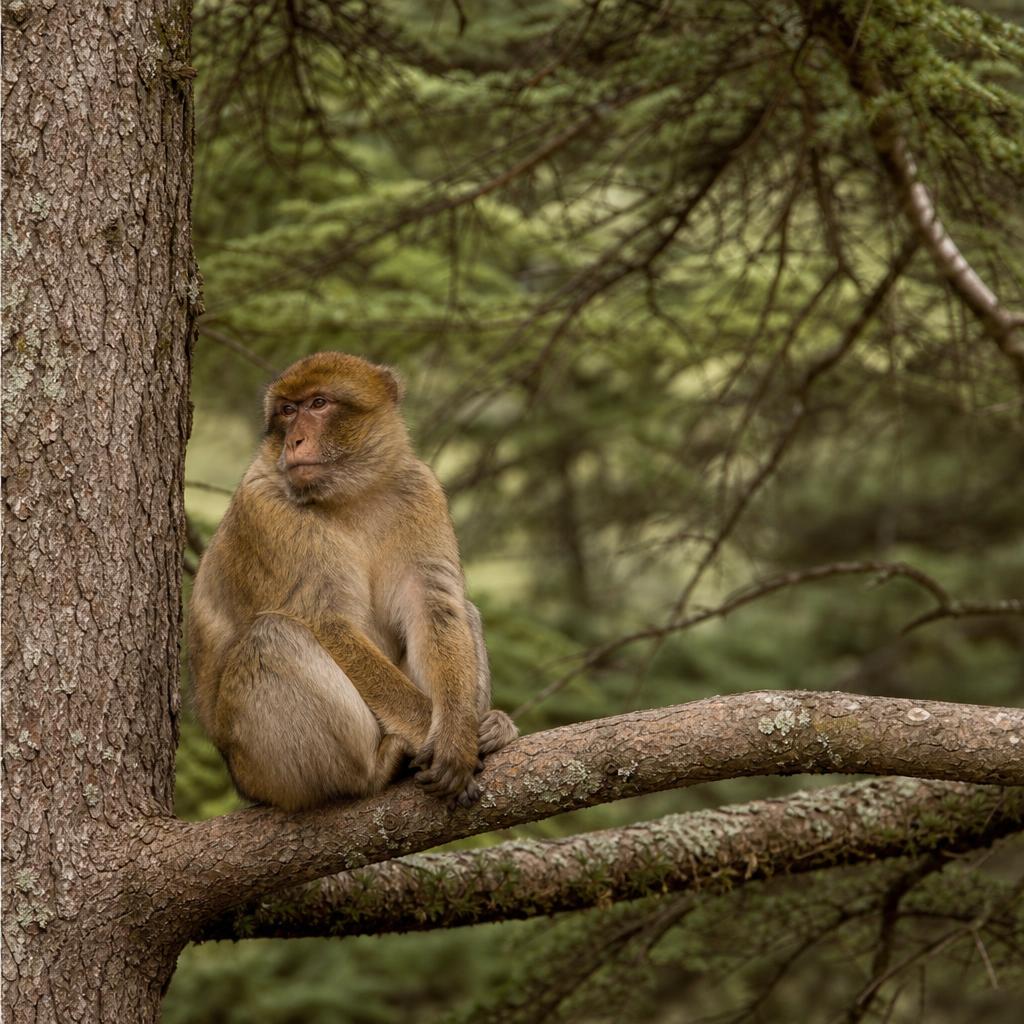
Barbary macaques that live near popular visitor areas in the Azrou cedar forest have, in many cases, learned over years of tourist behaviour that humans often carry and offer food. This means an open bag of crackers, a child eating a banana, or even the sound of a wrapper being opened can attract the interest of nearby macaques. The issue is not that macaques are dangerous; it is that a macaque attempting to reach food from a child's hand is frightening for the child and genuinely harmful for the animal, which becomes progressively more dependent on tourist food and less capable of normal foraging behaviour.
The solution is container discipline — keeping food entirely out of sight and inaccessible except in designated eating areas away from macaque activity — combined with clear behaviour guidelines for children. If your children understand why this matters (see the wildlife rules article in this series), they are more likely to comply instinctively rather than requiring moment-by-moment supervision. The preparation is simple; the consistency is the slightly harder part.
Practical Packing: Containers and Bag Choices
The practical standard is simple: all food should be in sealed, hard-to-open containers inside a zipped rucksack, not in open pockets, mesh side pouches, or reachable by small hands from outside the bag. Zip-lock bags are better than no container but can be pulled open by a determined macaque — a hard-sided lunch container inside a zipped compartment of a rucksack is the more reliable option for families spending significant time in macaque habitat. Avoid carrying food in outer vest pockets, in unzipped hipbelt pouches, or in any container a macaque could reach without accessing the main body of the bag.
Water bottles stored in exterior bottle pockets are generally fine — water has no scent and does not attract interest. The items to be particularly careful with are strong-smelling foods: any fruit, cheese, nuts, or sweet snacks should be double-contained if possible. If you are carrying a picnic lunch rather than just snacks, ask your guide where the appropriate eating point is on the route — there will usually be a clearing or a point on the trail that is both safe and comfortable for a family to stop and eat without being in an active macaque area.
- Store all food in sealed containers inside a fully zipped rucksack compartment
- Avoid outer pockets, mesh pouches, or unzipped hipbelt containers for any food
- Double-seal strong-smelling foods: fruit, cheese, nuts, sweet snacks
- Ask your guide before the walk where the appropriate eating point is on your route
- Water bottles in exterior holders are fine — water does not attract macaque interest
Behaviour Rules for Children While Snacks Are in the Pack
Children are less reliable than adults at keeping food consistently out of sight, especially when they are hungry and the snacks are accessible. Setting clear expectations before the walk — 'we eat at the rest stop, not on the move while we are in the forest' — is more effective than trying to intercept each individual request mid-trail. If your children are genuinely hungry, stop in a clear area, check with your guide that it is appropriate, and let everyone eat together at once rather than allowing snacking while walking.
The corollary rule is important: once a snack stop is done, everything goes back into the sealed bag before the group moves on. Wrappers should be pocketed or bagged immediately — do not leave them on the ground, and do not let children carry open wrappers as they walk. Even an empty wrapper retains scent and can attract a macaque. Bringing a small ziplock bag specifically for used wrappers and packaging keeps the group's behaviour clean without requiring complicated decisions in the moment.
What to Pack and What to Leave Behind
The ideal family snack kit for an Azrou forest visit is durable, compact, and high in caloric density relative to its volume and smell. Dense granola bars, nut butter portions in sealed tubes, plain crackers in a hard container, and dried fruit in a ziplock inside a hard box all work well. Fresh cut fruit is the most problematic category: watermelon, banana, and orange are strongly scented, messy to eat, and genuinely attractive to macaques. If you want to include fresh fruit, reserve it for a rest stop well away from macaque habitat, eat it quickly and completely, and dispose of peel and packaging immediately.
Leave behind any food that cannot be reliably sealed — loose biscuits in a paper bag, open packs of crisps, unwrapped chocolate. Children's snack habits in the forest should be slightly more controlled than they might be at a picnic in a city park. This is not a hardship; it is one of the practical ways that families visit a genuinely wild environment responsibly and return home with children who understood why the rules mattered, not just that they existed.