The Signs That Your Plan Is Too Full
There are predictable signs that a Middle Atlas itinerary has been overpacked. The most obvious is when travel time between stops exceeds the time spent at each stop. If you are driving for 45 minutes to spend 20 minutes somewhere, the mathematics of the day are wrong. A second sign is when the last stop of the day — no matter how compelling it looked on paper — produces almost no memory, because you arrived too tired and too late to be present for it.
A third and subtler sign is when the day's schedule requires everything to go right: transport on time, guide ready exactly when expected, no weather complications, no unplanned stops and no genuine curiosity taking you off the script. Real travel — especially mountain travel — rarely cooperates with that level of precision. A plan that only works perfectly is not a plan; it is a wish.
What Gets Lost When You Rush
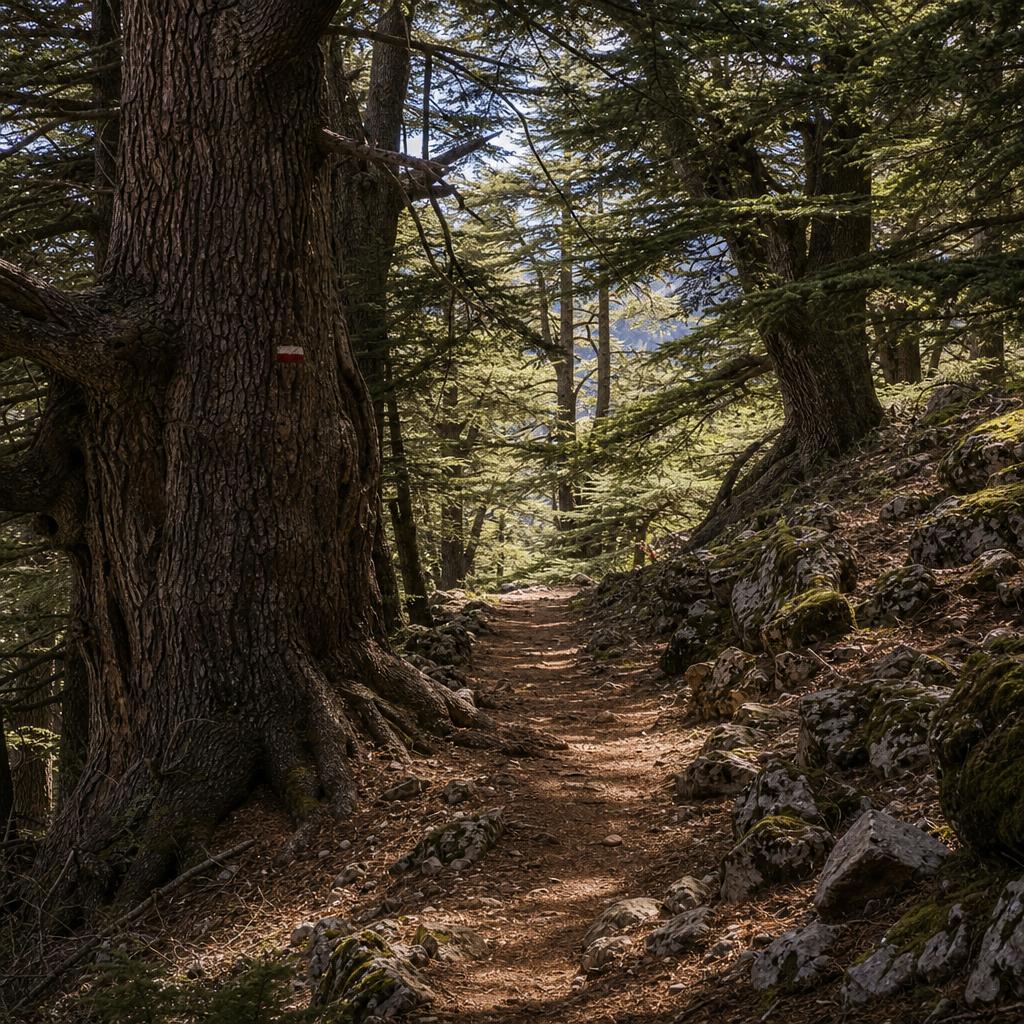
The things that make Middle Atlas travel memorable are almost all slow experiences. Watching a macaque troop interact without disturbing them takes twenty minutes of patience, not three. Understanding why the cedar forest looks and smells the way it does requires stopping and listening, not passing through at a walking pace. A conversation over tea in an Amazigh home, if you are fortunate enough to be invited, cannot be scheduled or abbreviated.
These experiences require gaps in the schedule — time that looks, from a planning perspective, like nothing. The traveler who builds in nothing is the one who photographs from a distance and moves on. The traveler who builds in space is the one who ends the day with a story. When you plan a Middle Atlas day, look for the gaps you have not left and ask yourself what might fill them if you allowed for it.
Practical Cuts to Make Without Regret
The most common unnecessary additions to Middle Atlas day plans are a second town on a day that already has one, a viewpoint drive that is more transit than destination and a late-afternoon stop added because it seemed like wasted time not to. These additions almost never produce a proportionate memory. Cutting a second town to spend more time in the first, removing the extra viewpoint drive and using the late afternoon for a slow coffee in Azrou town typically produces a better day with less effort.
Another common over-addition is a souq or shopping stop added at the end of an active day. After a forest walk and village visit, the energy for browsing crafts is usually low and the resulting purchases are often regretted. If shopping for local crafts is genuinely important to you, protect time for it earlier in the day or on a separate day — do not treat it as a post-hiking tack-on.
- One town, done well, beats two towns seen partially
- Remove any stop where transit time equals or exceeds visit time
- Save shopping for a morning when you have energy and attention for it
- Do not add afternoon stops after a physically demanding morning route
- Ask your guide what they would cut — they will know
Reframing What a 'Good Day' Looks Like
The cultural pressure in travel planning is toward more: more sights, more experiences, more photographs, more boxes ticked. The Middle Atlas offers a useful corrective because it actively resists this. The cedar forest does not get better because you walk faster. The macaques do not become more interesting because you have also seen Ifrane today. The Amazigh village visit does not deepen because you have two more stops planned after it.
A genuinely good Middle Atlas day is one where you arrived somewhere, paid attention and left having understood something you did not understand before. That process takes time, stillness and a willingness to let one experience be complete rather than treating it as one item in a sequence. If you can finish a day in the Middle Atlas feeling that you were actually present for it — not hurrying through it — the plan worked, regardless of how many boxes it ticked.