Why the Rules Exist: Context Children Can Understand
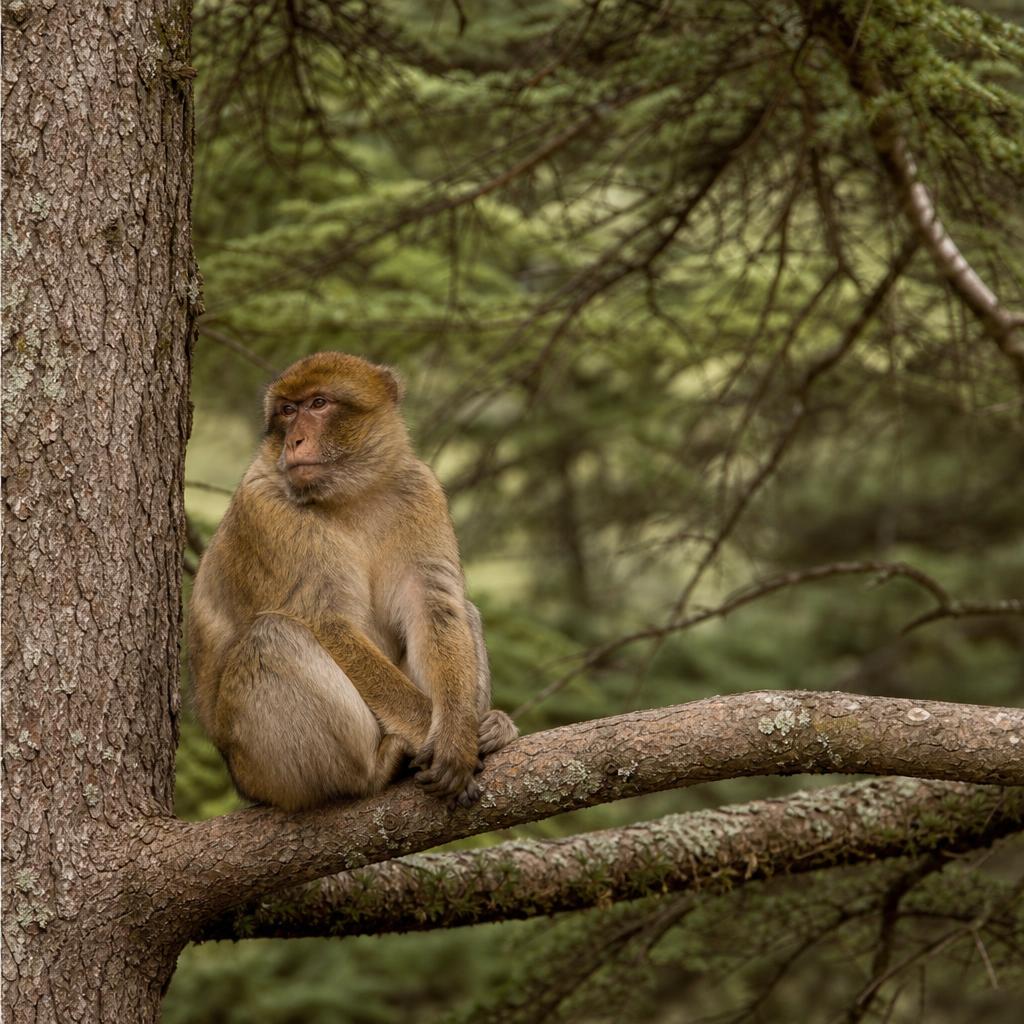
Children follow rules more reliably when they understand the reason behind them. The macaque rules are genuinely straightforward to explain at almost any age: these animals live here all year, this is their home and their forest, and every time a tourist feeds them or chases them or tries to touch them, the macaque learns that humans are a source of food and attention — which makes every subsequent encounter more dangerous for the macaque and more frightening for future visitors. A macaque that has learned to expect food will try to take it. That is not aggression; it is a reasonable response to a pattern humans created.
For younger children, the framing 'we are visitors in their home' tends to land well. For older children and teenagers, the conservation context is worth adding: Barbary macaques are endangered, meaning there are fewer of them alive globally than there were fifty years ago, and the feeding behaviour that tourists bring to the forest contributes directly to their decline. This is not abstract — your guide can show children what a habituated, food-seeking macaque behaves like compared with a troop at natural distance, and the difference is immediately visible and understandable.
The Specific Behaviours to Avoid and How to Explain Them
The rules are worth stating specifically rather than gesturing at generally. Never offer food to macaques, directly or indirectly — this includes dropping food accidentally, leaving wrappers accessible, or eating in a way that makes food visible and reachable. Never attempt to touch a macaque, however still or apparently docile it seems. Never chase a macaque, corner one, or move to cut off a troop's exit. Never surround a macaque, including positioning yourself and other family members such that the animal is enclosed on multiple sides. Never make sudden loud sounds or movements toward a troop. These are not a general list of niceties; each behaviour describes a specific way humans damage macaque welfare.
For children who find the rules hard to remember under excitement, simplify to one: keep your hands in your pockets and your feet still when a macaque is near. This single instruction covers most of the risk in a format a six-year-old can actually execute. Pair it with a positive action: use your eyes, use a camera, count how many you can see, watch what they are doing. Giving children an alternative engagement with the macaques rather than simply restricting their natural response is consistently more effective.
- Never feed macaques — not directly, not by dropping food, not by leaving wrappers accessible
- Never attempt to touch, pet, or hold a macaque
- Never chase, corner, or surround a macaque or troop
- Never make sudden loud noises or movements toward a troop
- Stand still, keep hands low and away from bags, and avoid direct eye contact if a macaque approaches closely
What to Do If a Macaque Approaches Your Family
A macaque walking toward your group is a normal event in the Azrou forest, especially near areas that have historically seen tourist feeding. The response is the same for children and adults: stand still, keep hands low and away from bags, do not make eye contact, and do not reach out. Do not run — rapid movement excites a troop and is more likely to result in a startled lunge than calm disengagement. The macaque will almost always lose interest and move away when it finds no food and no perceived threat.
If a macaque attempts to reach into a bag, the response is to hold the bag firmly closed and take a slow step backward — not to pull sharply away or shout, which escalates the situation. A guide will intervene calmly and is equipped to redirect the animal. Pre-brief children on this scenario before entering the forest, using calm language rather than frightening them — 'if a macaque comes close, we stand still and watch quietly, like we are watching TV' can be enough to create the right instinctive response rather than a panicked flight reaction.
Making Wildlife Ethics a Family Practice, Not Just a Forest Rule
Families who frame the macaque rules as part of a broader practice of ethical wildlife observation tend to produce children who carry those habits into other nature experiences. The principle — that wild animals are not entertainers or pets, that their behaviour is shaped by how humans treat them, and that observation without interference is more genuinely interesting than staged interaction — applies to every wildlife encounter. A good local guide can help articulate this in terms that resonate with whatever ages are in your group.
After the visit, the conversation about what was seen and why the rules mattered can be as formative as the encounter itself. Asking children what they noticed about the macaques' natural behaviour — where they moved, what they ate, how the troop interacted — shifts the frame from 'what did we almost get to do' to 'what did we actually see'. That is the more valuable memory and the more durable education.