Where the Word 'Berber' Comes From
The term 'Berber' reached North Africa through Arabic and ultimately traces to the Greek word 'barbaros,' used to describe people who spoke an unfamiliar language. It was never the name these communities chose for themselves. You will still find it in travel guides, search engines and older anthropological texts, which is why many visitors arrive with that word already in mind.
Recognising the origin of 'Berber' does not mean refusing to acknowledge it exists — it remains common in everyday tourism language and many Moroccan guides use it themselves without issue. What it does mean is that a more precise and dignified alternative is readily available. Using it is a small gesture that reflects genuine curiosity rather than inherited shorthand.
Amazigh: The Name People Chose
Amazigh (plural: Imazighen) is the name the communities of the Middle Atlas and much of North Africa have used to describe themselves for millennia. It is often translated as 'free people' or 'noble people.' The language spoken across these mountain villages is Tamazight, a member of a family of languages spoken from Morocco to the Nile Valley. In Morocco, Tamazight was officially recognised in the 2011 constitution — a development local communities welcomed as acknowledgment of a long-present identity.
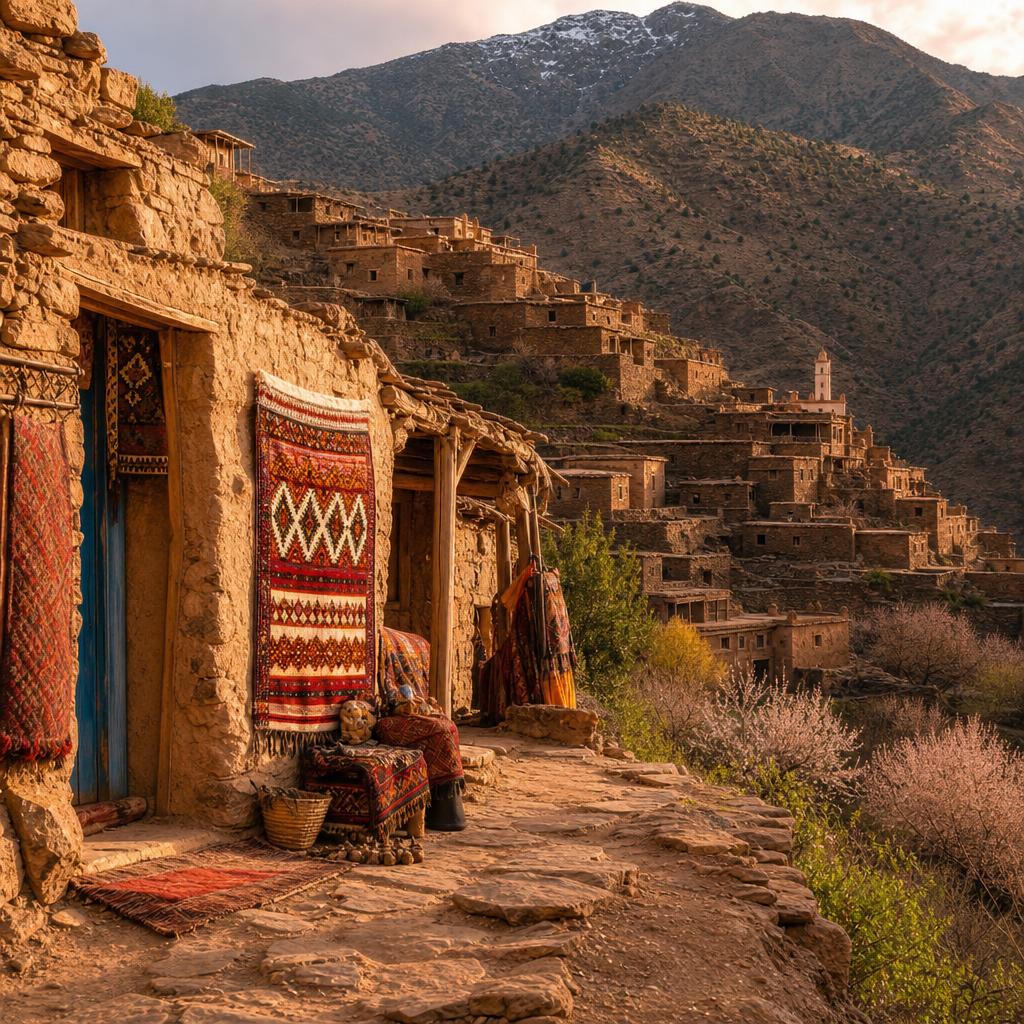
The Middle Atlas region around Azrou is one of the most concentrated Amazigh-speaking areas in Morocco. When your guide introduces a village or explains a local custom, the word Amazigh is the natural frame. Visitors who use it — even just once, in passing — often find that it opens a warmer conversation than any rehearsed greeting.
Tifinagh Script and Living Language
Tamazight is written in Tifinagh, a script with ancient roots that was standardised and given official status alongside Arabic and French. You may notice Tifinagh characters on road signs, school walls or official buildings in and around Azrou. Children in the region study it in school alongside Arabic, though the depth of instruction varies and the language continues to evolve in how it is taught and used.
Visitors are not expected to learn Tamazight before arriving. A few words — a greeting, a thank you — carry genuine weight precisely because they are rare from outside visitors. Your guide can suggest appropriate phrases for the community you are visiting. Approach language as curiosity rather than performance: the interest itself matters more than pronunciation.
Why This Matters for Responsible Travel
Cultural terminology shapes how communities are perceived and how tourism revenue and credit flow. Referring to crafts as 'Amazigh textiles' rather than anonymous 'Berber rugs' acknowledges authorship. Asking about Amazigh history rather than framing everything through an outsider lens invites people to tell their own story. These are small adjustments with a genuine cumulative effect when adopted by many visitors over time.
None of this requires a scholarly approach to a holiday. It simply means arriving with a little awareness and genuine openness. If you use the word Berber out of habit, no one will be offended — context and tone matter far more than perfection. The goal is engaged, attentive travel, not flawless terminology. Your guide can help navigate any uncertainty on the ground.
- Use 'Amazigh' when describing people and communities in conversation
- Use 'Tamazight' when referring to the language
- Use 'Tifinagh' when referring to the script
- Follow your guide's language cues in any specific community
- Avoid generalising all Moroccan mountain communities under one cultural label