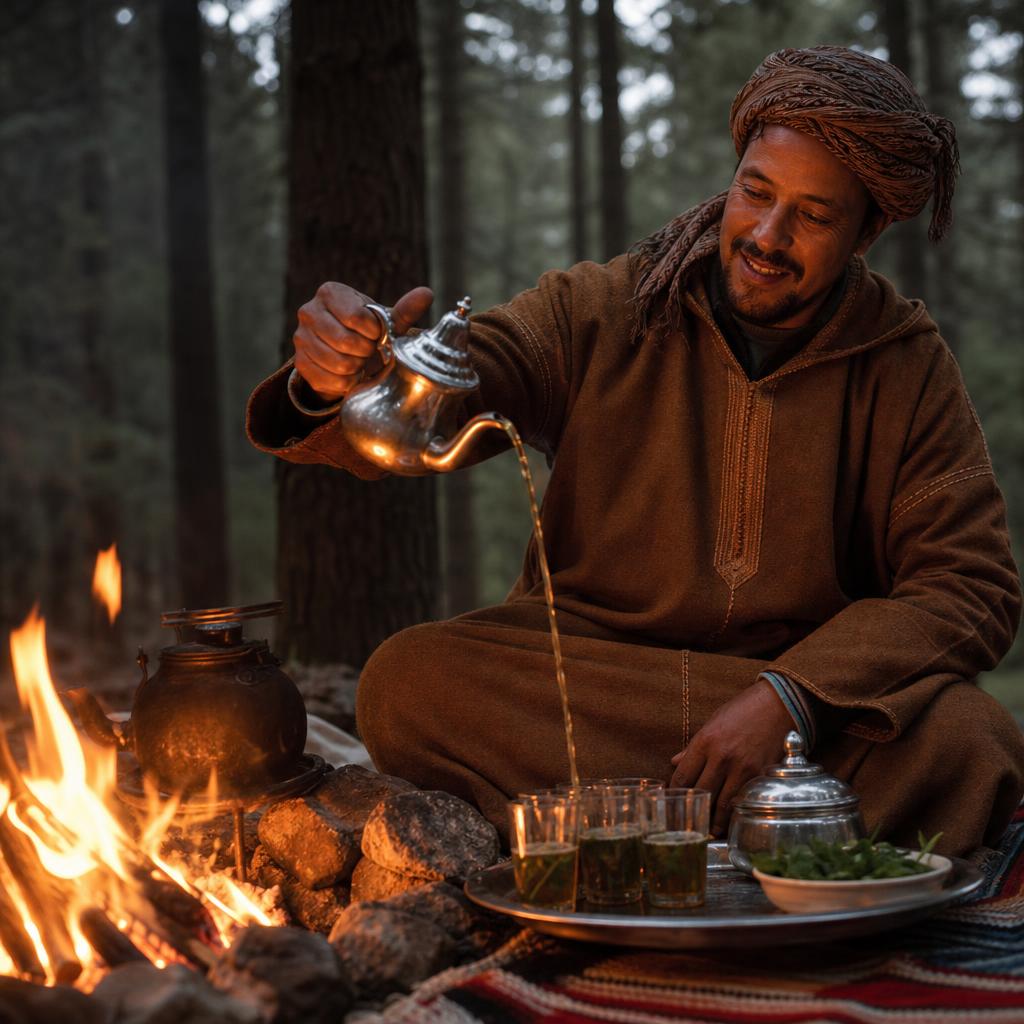
Why a Local Guide Makes a Genuine Difference
The Azrou cedar forest is large enough to get thoroughly disoriented in, and the ecologically and culturally interesting parts are not necessarily along the obvious tourist paths. A local guide knows where the oldest cedar groves are, which clearings see macaque activity at different times of day and season, which trails are currently passable, and how to adapt a planned walk to weather, group fitness, and the particular interests of the people in front of them. These are not things a map or an app can reliably substitute for.
Beyond navigation and ecology, a local guide provides cultural context that is very difficult to acquire independently. The relationship between the Amazigh communities of the Middle Atlas and the cedar forest is centuries old and multifaceted — it involves land use, seasonal patterns, religious geography, and ecological knowledge. A guide who grew up in this landscape and speaks about it from personal knowledge brings a depth of understanding that no travel article can replicate, including this one.
What to Look for in an Azrou Guide
The most important quality is local knowledge rooted in genuine experience of the specific landscape — the Azrou cedar forest and the Middle Atlas, not just general Morocco guiding. A guide with formal training in ecology, natural history, or cultural heritage is useful; a guide who has spent decades walking this particular forest and knows its seasonal patterns is often more valuable still. Look for someone who listens to what your group actually wants rather than delivering a fixed script. Ask whether the tour is adapted to your pace and interests or runs to a fixed format.
Licensed guides who are registered with the local guiding authority have met a minimum professional standard and carry accountability for their conduct. Ask whether your guide holds a current licence. This is not a guarantee of quality — unlicensed guides are sometimes excellent and licensed ones sometimes mediocre — but it provides a baseline. Personal recommendations from your accommodation, from other travellers, or from reputable local agencies are generally more reliable than any credential alone.
Questions to Ask Before You Book
Before confirming a guide, ask: What experience level is this walk designed for? Can the route be shortened or extended? What is the specific meeting point and time? Is transport to the trailhead included? What should I bring? What happens if the weather changes? Clear answers to these practical questions tell you a great deal about how professionally and thoughtfully the guide operates. A guide who answers these questions directly and honestly — including 'I don't know, we will adapt on the day' for genuinely uncertain things — is more trustworthy than one who has a smooth answer for everything.
Also ask about wildlife ethics explicitly: a guide who explains the importance of not feeding or crowding macaques unprompted, or who confirms these rules clearly when asked, is operating with the right values. This matters both ethically and practically — guides who allow irresponsible wildlife interaction cause long-term harm to the animals and to the experience for future visitors. The right guide will be clear about this without being preachy about it.
Booking Logistics: Timing, Communication, and Confirmation
Book your guide at least one day in advance, ideally two or three days ahead during peak summer months and holiday periods when good guides are in demand. A WhatsApp message with your preferred date, group size, walking ability, and main interests is usually the most practical way to make initial contact and confirm the arrangement. Confirm the exact meeting point, start time, and what to bring; a confirmation the evening before your walk means both sides are clear and committed.
Payment arrangements vary: some guides charge a flat day rate, others a per-person rate, and some operate through the agency or guesthouse that connects you. Clarify how and when payment is expected before the walk begins, not at the end when any misunderstanding is more awkward. Tips for genuinely good service are always appreciated and are a meaningful part of a local guide's livelihood, but they should be given because the experience merited them, not because you feel obligated.
- Book 1–3 days ahead, more in peak summer season
- Confirm meeting point, start time, and what to bring in writing
- Ask about wildlife ethics explicitly — the right answer is clear and direct
- Clarify payment expectations before the walk, not after
- Personal recommendations from accommodation or fellow travellers are more reliable than reviews alone