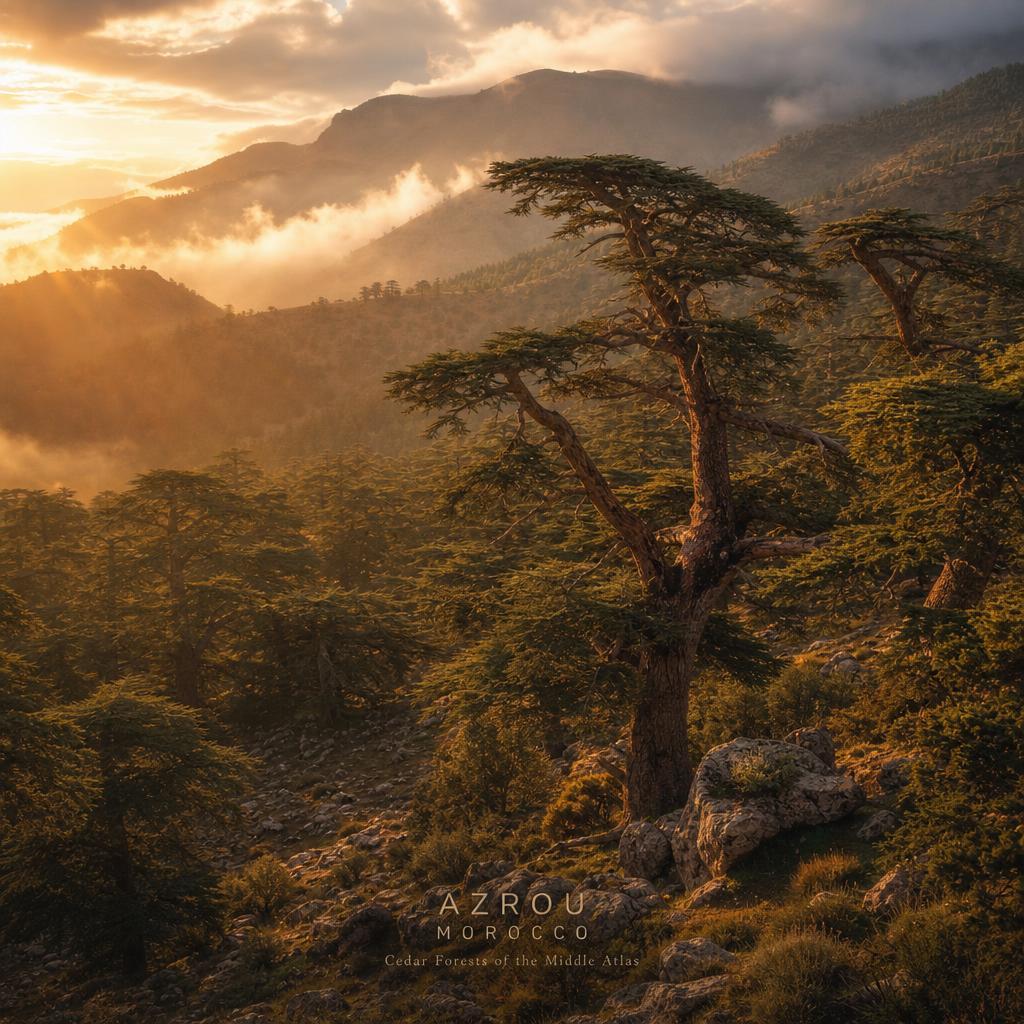
Getting from Fez to Azrou
The most comfortable option for a day trip is hiring a private taxi or arranging transport through your riad or guide, giving you flexibility to stop along the way. Grand taxis also run between Fez and Azrou, though departure timing depends on demand; ask locally about current schedules the evening before you plan to travel. The route climbs steadily through the Middle Atlas foothills, and the landscape shift from the Saïss plain to forested mountain roads is itself a satisfying part of the journey.
Buses link Fez and Azrou, but fixed departure times can compress your day at both ends. If you are travelling by bus, verify the current timetable locally — services do change seasonally. Whichever transport you use, aim to arrive in Azrou with at least four to five hours of usable time so the visit does not feel rushed. Starting early is almost always the right call.
What to Prioritise in a Single Day
One day is enough to experience the cedar forest properly if you resist the temptation to add too many stops. A guided forest walk lasting two to three hours covers the main cedar groves, offers real chances of encountering Barbary macaques in their habitat, and gives you time to understand the landscape rather than simply pass through it. Combining the forest with a short walk around Azrou town and a lunch stop leaves the day feeling full without feeling frantic.
Resist the urge to add Ifrane or other towns on a tight day trip — spreading thin across several destinations often means seeing none of them well. If you genuinely want to visit both Azrou and Ifrane, consider an overnight stay or a dedicated two-stop route rather than trying to compress both into daylight hours from Fez. Prioritising depth over distance almost always produces a better travel memory.
- Arrive by mid-morning to make the most of cooler forest temperatures
- Book a local guide in advance so time is not lost on arrival
- Eat lunch in Azrou rather than returning to Fez just for food
- Build in 30 minutes of buffer before your return journey
Timing and Seasonal Considerations
Spring and early autumn are among the most pleasant times to make this journey — mild temperatures, green cedar groves and good light for photography. Summer days can be warm on the road but the forest itself stays noticeably cooler, making midday walks in the cedar shade genuinely comfortable when the valley towns below are hot. Winter brings the possibility of snow on the road between Fez and Azrou; conditions can change quickly, so check locally before travelling between December and February.
Whatever the season, the forest is most atmospheric in the early part of the day. Macaques are often more active in the morning, and the light through the cedar canopy is at its best before midday. If you are arriving from Fez, leaving by 7 or 8 in the morning puts you in the forest during the most rewarding hours — far better than a late departure that compresses the whole experience into a rushed afternoon.
Working with a Local Guide
A local guide transforms the Azrou cedar forest from a pleasant walk into a genuine experience. Guides know where macaque troops are typically active at different times of year, which forest paths offer the best views and when to slow down and pay attention to the smaller details of the ecosystem. Booking in advance — rather than looking for a guide after you arrive — means you start walking the moment you reach the forest edge.
Contact a guide before your trip to align on your group size, walking pace and what you most want to see. Whether you are travelling as a couple, with children or as a solo traveler, a short conversation in advance shapes a much better day. Local guides can also help with practical questions like where to eat, how to manage your transport timing and whether conditions are suitable for specific routes on your chosen date.