The Character of Middle Atlas Food
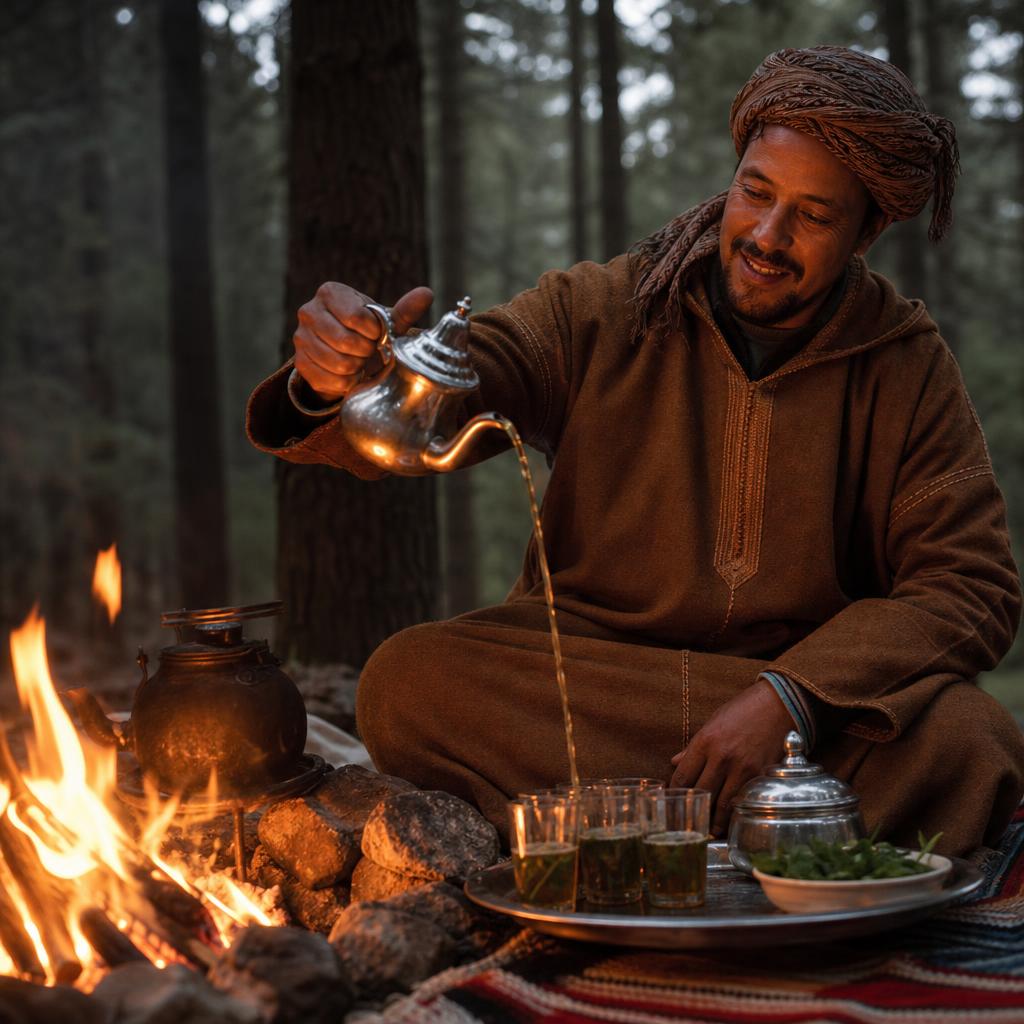
Food in and around Azrou reflects the altitude, climate and agricultural traditions of the Middle Atlas. This is a region of wheat, olive trees, honey, dairy and seasonal vegetables — not the elaborate spiced tagines of a medina kitchen, but a more direct, ingredient-led cooking. Meals are often structured around what is in season, what can be stored and what the land reliably produces at 1,500 metres elevation.
The key to finding good local food in Azrou is to eat where local people eat, at times when local people eat. The busiest café at lunchtime, the smallest bakery that has a queue of people waiting, the market stall with the cleanest display and the oldest clientele — these are reliable indicators of food worth stopping for. Your guide can point you toward places they personally use rather than places that have been signposted for tourists.
Dishes and Ingredients to Look For
Harira — a thick, warming soup of tomato, lentils, chickpeas and herbs — is found across Morocco but particularly satisfying at altitude after a morning walk. Msemen and meloui are flaky, pan-cooked flatbreads served at breakfast with olive oil, honey, butter or amlou (an almond-argan paste found more in southern Berber regions but occasionally available here). Bread, fresh from a wood-fired community oven, is a centrepiece of every meal rather than an afterthought.
Olive oil from the Middle Atlas region has a notably different character from coastal Moroccan olive oil — greener and more robust in spring harvest. Local honey, particularly in the villages around Azrou, is made by producers who sell direct from home — your guide may know of a household where this is available. Mountain vegetables — thin-skinned potatoes, wild herbs, dried pulses — appear in tagines and couscous that have a more stripped-back quality than urban restaurant versions.
- Harira — especially on cooler mornings or after a hike
- Fresh bread from a local fournil (community oven) — buy a loaf while it is still warm
- Olive oil — regional and seasonal, worth tasting and buying small amounts to take home
- Local honey — ask your guide about direct household sources
- Seasonal couscous on Fridays — this is the traditional day for family couscous meals
- Argan-based dips and spreads if you find an artisan producer (confirm provenance)
Eating in Azrou Town
Azrou has a small but genuine café and restaurant scene primarily aimed at local residents and passing Moroccan travellers rather than international tourists. This works in your favour: prices are more honest, portions are practical and menus reflect what is actually in season. Look for places that have handwritten or chalked daily menus rather than laminated tourist-facing lists.
A good practical sequence for a day's eating in Azrou: a café breakfast of bread, olive oil and mint tea; a market lunch of harira and bread from a street vendor; a slow evening tagine at a place recommended by your guide. This costs less than a tourist restaurant meal, gives you a fuller picture of local food and is genuinely more interesting. Verify current hours and availability with your guide, as smaller establishments may close on Fridays or during Ramadan.
Food as a Cultural Entry Point
Asking about food — what something is, how it is made, where it comes from — is one of the most natural ways to open a conversation in any culture. In the Middle Atlas, food questions often lead to agricultural stories, seasonal rhythms and the economics of mountain life. A vendor who explains that their honey comes from hives above a specific valley is telling you something about how they live, not just what they sell.
Never feel obliged to eat something you are unsure about — a gentle decline with a smile is always fine. But a willingness to try unfamiliar flavours and ask questions about what you are eating almost always pays off in the Middle Atlas, where the food is honest and the people who produce it take quiet pride in its quality.