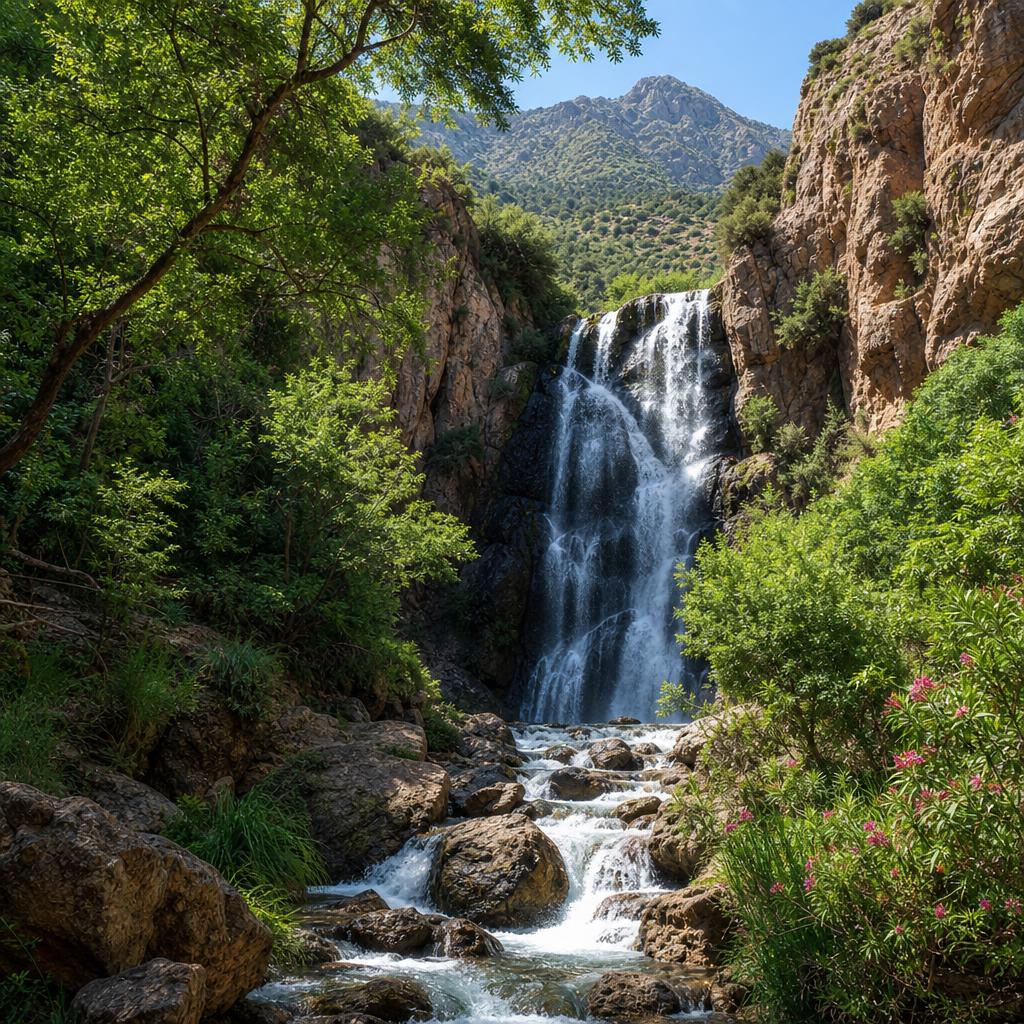
The Middle Atlas on the Overland Route
Many Morocco itineraries follow a well-worn north–south arc: Tangier or Chefchaouen to Fez, then south through the Atlas toward Erfoud, Merzouga and the Sahara. Azrou sits directly on this corridor, roughly midway between Fez and the dramatic Ziz valley beyond the high Atlas. For travelers who push through in a single long drive, the cedar forest becomes a green blur seen from a car window. Stopping changes everything.
A one-night stop in Azrou divides a gruelling overland day into two manageable ones and adds a completely different landscape texture to the trip. Rather than moving from imperial city directly to desert, you spend a night among ancient cedars, wake up in the forest and continue south refreshed. The pacing benefit alone is significant, but the experience — quiet mountain air, wild macaques, a proper local meal — is the real reason to stop.
Fitting Azrou Into a Tight Schedule
Even a single night at Azrou is worthwhile if it is all you have. Arrive in the afternoon, walk the cedar forest edge or the town, eat dinner locally and then take an early morning forest walk before continuing south. This structure adds roughly 16–18 hours in Azrou but costs very little time overall — the morning forest walk ends before 10 a.m., leaving most of the day free for the onward drive.
Two nights is the sweet spot for most road-trippers: a full day in the cedar forest with a guided walk, an evening in town and a second morning's sunrise walk before departure. This gives the Middle Atlas the time it deserves without dramatically lengthening a larger Morocco trip. Budget travelers often find that combining transport and accommodation costs at Azrou is comparable to other towns on the route, making the stop financially neutral.
- One night: afternoon arrival, morning forest walk, depart by mid-morning
- Two nights: full guided day in the forest, sunrise walk before departing
- Pre-book your guide to use every hour efficiently
- Arrange your onward transport or driving route before arriving
What Changes When You Stop Properly
The difference between passing through Azrou and actually stopping there is hard to overstate. Through the car window, the cedar forest looks attractive but generic. On foot, with a guide explaining the ecology, the scale of the trees, the presence of macaques and the silence of the deeper groves, it becomes one of those travel experiences that stays with you. Morocco has dramatic landscapes throughout its length and breadth; the Middle Atlas cedar forest is one of the more unusual and least visited.
Road-trippers who stop at Azrou also tend to arrive at their next destination in better shape. A day of driving followed by a long forest walk and a night's sleep in cool mountain air resets the energy levels that long overland travel depletes. The Middle Atlas functions as a natural rest stop in the best sense: a place that gives back as much as it costs in time.
Connecting to the Route South
From Azrou, the route south continues through the cedar forest before eventually climbing toward the passes that lead to the Ziz valley and beyond. The mountain scenery intensifies as you move south, with dramatic changes in vegetation and geology. This is a well-traveled overland route, but conditions on mountain passes can change — always check locally before setting out, especially outside summer months.
Travelers continuing to Merzouga or the Draa valley typically spend another night somewhere between Azrou and the desert, often at Midelt or Errachidia. Breaking the journey at these points rather than trying to drive the full distance in one day makes for a far less exhausting and more rewarding trip. The Middle Atlas to the Sahara in a single day is possible, but rarely enjoyable; the landscape demands more than windscreen time.