Arriving with the Right Posture
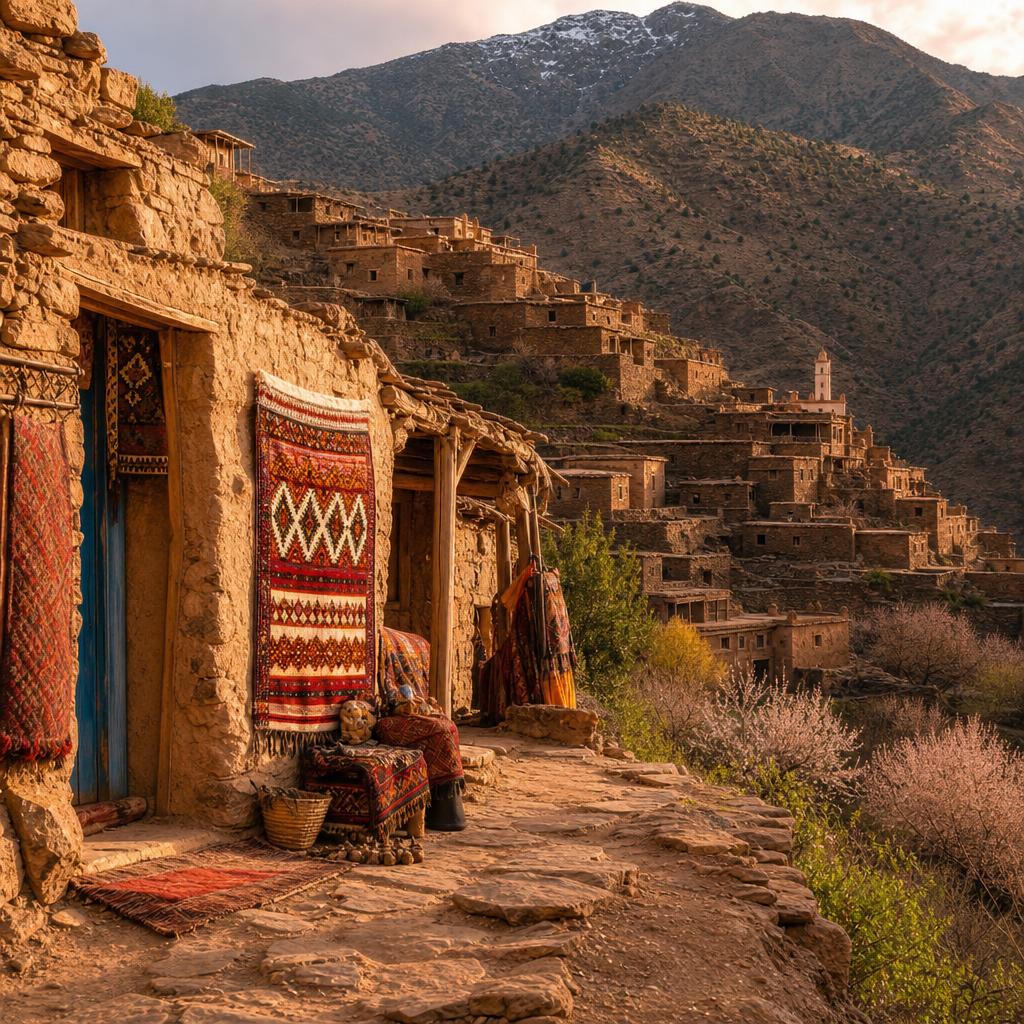
The most important preparation for a village visit is attitudinal rather than logistical. Approaching any community with curiosity and humility — rather than as a site to 'tick off' — changes the entire dynamic of the interaction. In practice, this means walking more slowly, asking before entering spaces, and letting your guide take the lead on introductions rather than striding ahead independently.
Middle Atlas villages are working communities, not open-air museums. Families are managing farms, children are going to school, elders are resting. Treating a visit as a gentle, invited presence rather than a rights-based access to something 'authentic' immediately shifts your relationship with the people you meet. Your guide will have existing relationships in many of these communities — those relationships are the foundation your visit stands on.
Dress, Behaviour and Common Courtesies
Modest dress is both practically sensible and culturally appreciated in mountain villages. For men and women, this generally means covered shoulders and knees. Lightweight, loose layers work well in the Middle Atlas climate — they keep you cool in summer and warm in the shade. Avoid clothing with large logos or slogans, which can feel conspicuous in quieter rural settings.
Greet people you pass, even briefly. A simple 'salaam' or a nod and smile goes further than ignoring people while photographing their surroundings. If you are invited into someone's home, accept graciously, remove shoes if you see others have done so and take your cue from the host about where to sit and what to touch. Accept offered tea or food where hygiene feels comfortable; refusing hospitality directly can feel awkward — your guide can navigate this sensitively.
- Cover shoulders and knees in village settings
- Follow your guide's lead on introductions and movement
- Greet people you pass, even briefly
- Remove shoes when entering homes, unless told otherwise
- Do not enter agricultural land, homes or religious spaces uninvited
- Keep noise levels low, especially near homes or schools
Children, Interactions and Managing Expectations
Children in Middle Atlas villages are often curious about visitors and may approach, greet you or ask for sweets or pens. It is well-intentioned from both sides, but giving gifts to children on the street creates patterns that can have negative long-term effects on communities — it encourages children to approach strangers for handouts rather than engaging differently with visitors. Your guide can advise on whether any community-supported gesture is appropriate.
Photographing children deserves particular care. The same rules apply as with any person: ask first. If you cannot communicate directly, your guide can help. Some children will enthusiastically ask to be photographed; others will be shy. Respect either response completely. Always show photographs to the subjects if you take them — this simple gesture builds connection across language barriers.
Why a Local Guide Changes Everything
A local guide does not just show you the way — they manage the ethics of your visit in real time. They know which families welcome visitors warmly, which communities prefer quiet distance, and when a seasonal event or Friday prayer makes a visit better rescheduled. They translate not just language but social context, preventing well-meaning visitors from making missteps that neither party enjoys.
Visiting independently is possible, but the depth of the experience and the degree of confidence you can have about your conduct drops significantly. For village visits in particular, the presence of a trusted local intermediary transforms a potentially intrusive appearance into a genuine exchange. Ask your guide in advance how the visit will be structured and what your role should be — a few minutes of preparation sets the tone for the entire experience.