Why Azrou Weather Is Harder to Predict Than You Might Expect
Azrou sits at the western edge of the Middle Atlas, where Atlantic weather systems meet the drier continental interior. This creates a more variable and sometimes surprising climate than the Moroccan reputation for sunshine might suggest. A morning can start clear and cold, cloud over by midday, produce a short sharp rainstorm and then clear again by late afternoon. Winter can bring genuine snowstorms within hours. Mist is common in the cedar forest across most of the year, particularly in the early morning hours.
General weather forecasts for Morocco are less useful for Azrou than regional mountain forecasts. Checking a forecast for Fès or Meknès — which sit lower and drier — can give a misleading picture of conditions in the forest. Ask your guide or accommodation for a current local view when you arrive, and check again on the morning of any planned outdoor activity. Their knowledge of how local conditions typically develop through the day is more practically useful than any app.
Flexible Itinerary Design: Building in Contingencies
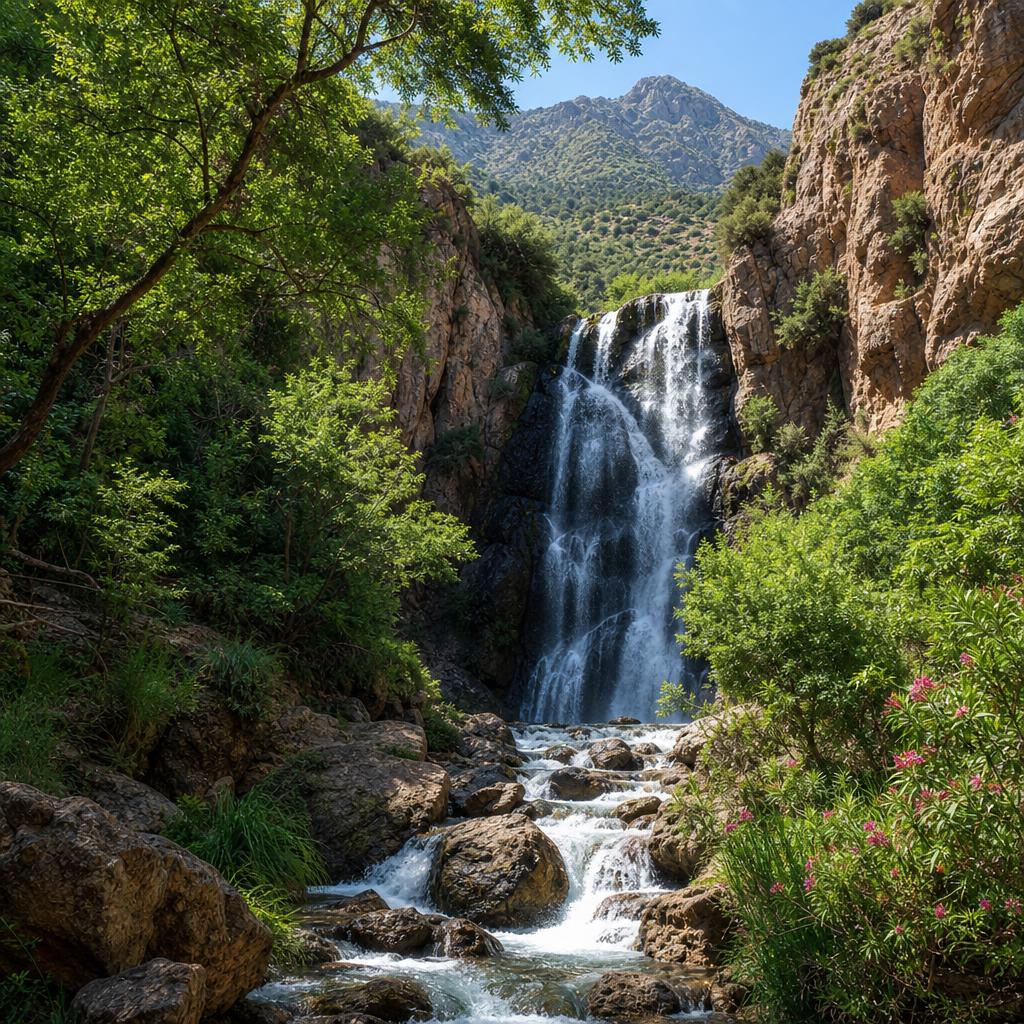
The most effective approach to Middle Atlas weather is designing your itinerary with named alternatives rather than single fixed plans. A day that starts as a waterfall trek can pivot to a cedar forest walk on drier paths if rain makes the off-trail route hazardous. A planned sunrise walk that encounters a cloudy morning can shift to a later forest walk when the mist clears. A photography tour that loses the golden hour to overcast sky can redirect towards forest texture and wildlife, which often photograph better in flat light than in harsh direct sun.
Discuss contingencies with your guide when planning, not on the morning the weather changes. Knowing in advance that 'plan B is a village visit' or 'we shift to the shorter forest loop' means that when conditions change you can adapt immediately rather than spending time improvising. Most Azrou-based guides carry this flexibility naturally — it is the reality of their working environment — but framing it explicitly helps.
- Name a plan B for each planned activity before the day arrives
- Off-trail and waterfall routes are most vulnerable to weather change — have forest alternatives ready
- Cloudy or misty days are good for wildlife photography and forest texture
- Rain after a dry period often improves the forest's smell and atmosphere
- A bad-weather morning sometimes clears to an excellent afternoon — flexibility captures this
What to Do in Town When the Forest is Closed
Azrou itself is worth slow exploration in any weather. The town centre has a distinctive Amazigh character — Tifinagh script appears on signs, market stalls sell local handicrafts and produce, and the weekly souk (verify the current day locally) is a genuinely active market rather than a tourist performance. Heavy rain or snow that makes the forest impractical is an invitation to spend time in the town's covered market area, try a traditional Moroccan lunch in one of the local restaurants, or visit the small town square that serves as a social hub.
The artisanal cooperative in Azrou is worth a visit if you are interested in Amazigh crafts — particularly the handwoven rugs and carved woodwork that the region is known for. Spending a morning in town, conversations with locals through your guide's introductions and a long lunch over harira and fresh bread is, for many visitors, a more memorable experience than a rushed forest walk in difficult conditions.
Multi-Day Stays and the Weather Advantage
The single most effective weather contingency is simply staying longer. Visitors spending one night in Azrou and trying to fit everything into a single day are maximally exposed to weather disruption. Those staying two or three nights almost always find at least one day with excellent conditions — and often find that a difficult-weather day yields unexpected experiences that become the trip's most memorable moments.
If your schedule allows only a short stay, communicate this to your guide and ask their honest assessment of the current forecast. A morning departure on a poor-weather day can sometimes be delayed by a few hours to wait for conditions to improve. Your guide's judgment on whether waiting makes sense, or whether conditions are genuinely likely to deteriorate further, is worth trusting. They have made this call many times before.