How Daylight Changes Through the Year in Azrou
Azrou is located at roughly 33 degrees north latitude, which means significant seasonal variation in daylight. Summer days are long — in June, civil twilight can start before 5:30 a.m. and end after 8:30 p.m. — giving an enormous window for outdoor activity. Winter days are short: by December, darkness returns by around 5:30 p.m. and morning light is slow to arrive. These are approximate figures that shift continuously; verify exact sunrise and sunset times for your specific dates through a reliable current source.
The practical effect of this variation is significant for tour planning. A full-day walking itinerary in June is genuinely full — you can fit in a sunrise walk, a morning forest hike, a village visit and an afternoon return without rushing. The same itinerary in December requires a much earlier start, tighter timing and a realistic cutoff before darkness arrives. Neither is better or worse, but planning without accounting for the seasonal daylight window leads to rushed finishes and missed experiences.
Light Quality for Photography and Forest Walks
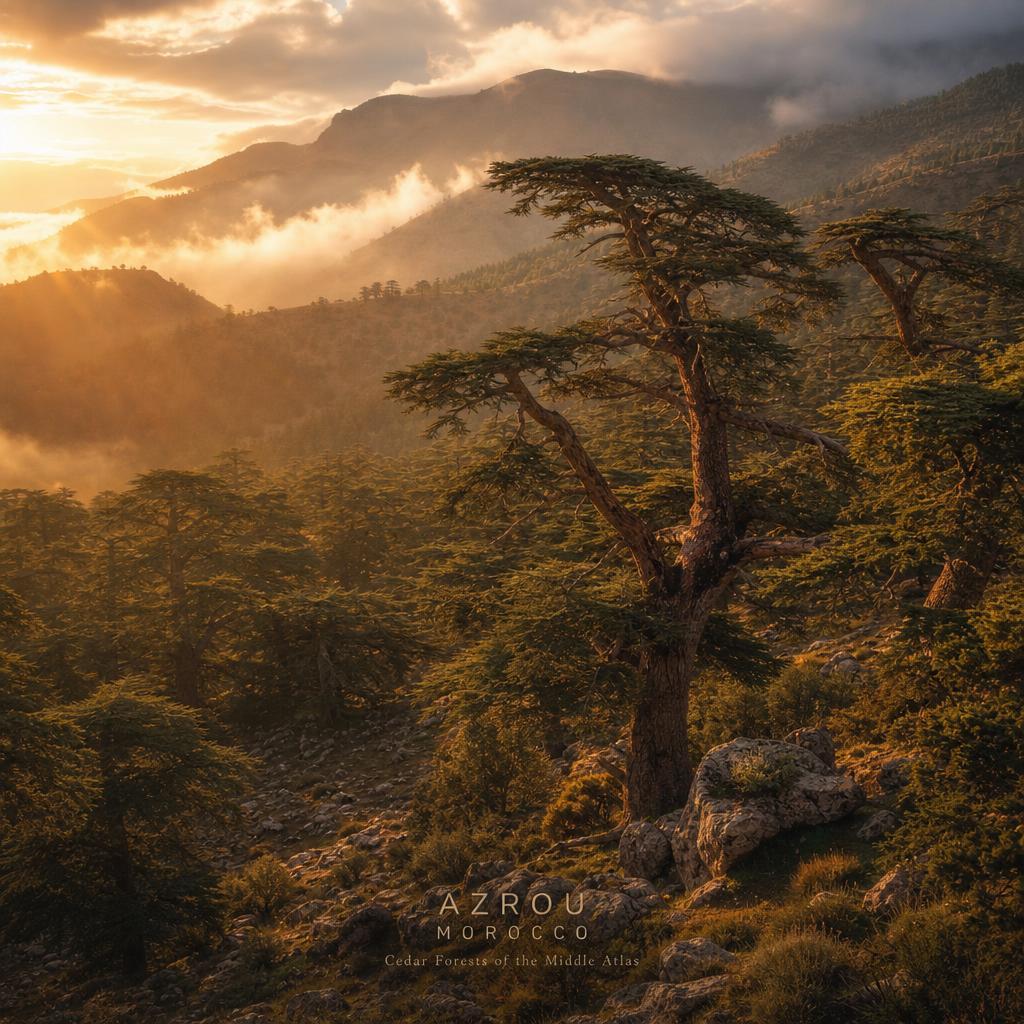
Beyond total daylight hours, the quality of light shifts across the day and across the year in ways that matter for anyone carrying a camera. The golden hour — the period roughly 45 to 60 minutes after sunrise and before sunset — produces warm, directional light that transforms the cedar forest. Thick trunks, bark texture, beam effects through the canopy and long shadows across the forest floor all become much more compelling in this window than in flat midday light.
In summer, golden hour is very early in the morning (before most tourists are moving) and again in the late evening. In winter, the sun stays lower throughout the day, meaning a softer quality of light persists for longer — but the total usable window is short. Autumn is often considered the most photogenic season by local guides: the afternoon golden hour arrives at a socially reasonable time, the light is warm, and the forest has a richer colour palette than in the green uniformity of summer.
- Summer: golden hour before 6 a.m. and after 7:30 p.m. — requires very early starts
- Spring and autumn: golden hour at more accessible times of day
- Winter: lower sun angle all day means softer light — but usable hours are short
- Overcast days soften shadows and are excellent for wildlife photography
- Midday light (noon to 3 p.m.) is typically the harshest — less useful for landscape shots
Practical Daylight Planning for Forest Walks and Tours
The most common planning mistake in Azrou is underestimating how long trails actually take compared with map distances. Altitude, terrain and the entirely reasonable tendency to stop frequently for photographs and observations all add time. Building a conservative buffer into your schedule — and confirming turnaround times with your guide — ensures you finish in daylight regardless of season.
For sunrise walks specifically, the departure time is determined by the walk-in time to reach the best viewpoint before first light. In summer this can mean leaving before 5 a.m.; in winter it might be closer to 6:30 a.m. Your guide will calculate this for your specific dates. If a sunrise walk is on your itinerary, discuss the logistics the evening before, set two alarms and have everything packed the night before.
Multi-Day Visits and Using the Full Light Window
Visitors staying two or more nights in Azrou have a significant advantage in using daylight well. A first afternoon can be used for a gentle orientation walk and a market visit; subsequent days can start at the optimal time for a specific experience — sunrise, wildlife, photography or a longer trek — without the pressure of a single rushed day. Multi-day visitors also benefit from weather flexibility: if conditions are poor on day one, day two often compensates.
If you are combining Azrou with Fès or another city, factor in travel time when planning same-day arrivals for early morning tours. The drive from Fès takes roughly 1.5 to 2 hours in normal conditions, more in winter or high season traffic. Arriving the evening before a planned early start is consistently a better plan than arriving the same morning and hoping the journey goes smoothly.