What Ramadan Means for Daily Life in Azrou
Ramadan — the Islamic month of fasting — follows a lunar calendar, so its timing shifts by approximately ten days each year relative to the Gregorian calendar. Rather than citing specific dates, which would quickly become outdated, the practical approach is to check the expected Ramadan period for your travel year through a reliable current source before booking. In years when Ramadan falls in spring or autumn, it overlaps with some of the most popular visiting periods; in summer years, it arrives during peak tourist season.
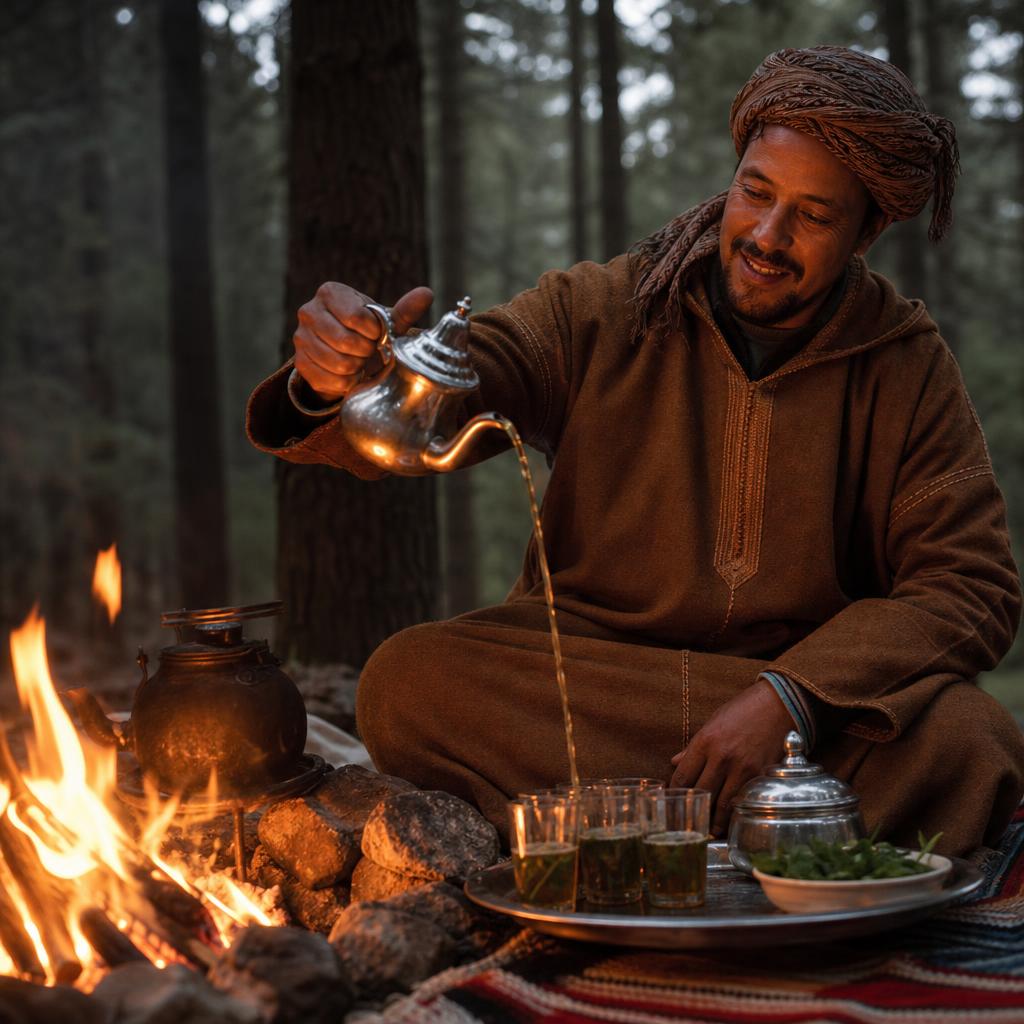
During Ramadan, the majority of local residents in Azrou observe the fast from dawn to sunset. This means restaurants and cafés that normally open for breakfast and lunch may be closed during daylight hours, or may operate on reduced schedules. After sunset, during iftar (the breaking of the fast), the town comes alive — food, socialising and a warmth of atmosphere that many visitors describe as one of the most memorable experiences of their trip to Morocco.
Food, Cafés and Practical Services During Ramadan
Finding food during daylight hours in Azrou during Ramadan requires more planning than in other periods. Some guesthouses will provide breakfast and meals for guests regardless of the fast — confirm this explicitly when booking, not on arrival. Restaurants aimed at tourists may keep limited daytime service, but do not assume; call or message ahead. Supermarkets and grocery stores remain open during the day, so self-catering options are generally available.
Iftar is typically the most social and food-rich moment of the day, and guesthouses that serve guests during Ramadan often offer a proper Ramadan spread in the evening. Arriving at a Moroccan guesthouse during iftar — if you are invited to share the meal — is a genuine cultural experience. Approach it with warmth and gratitude, contribute to the conversation as you are welcomed, and do not treat it as a photo opportunity without asking.
- Confirm breakfast and meal availability with your accommodation before arrival
- Many restaurants are closed during daylight hours — plan accordingly
- Iftar after sunset is the main meal; evenings are lively and welcoming
- Grocery stores generally remain open during the day for self-catering
- Your guide may be fasting — discuss comfortable tour timing with them directly
Cedar Forest Tours During Ramadan
Guided forest tours and wildlife walks continue during Ramadan, though the practical details may shift. Your guide may be fasting, which affects comfort on longer, more physically demanding routes in warmer weather. Discussing this openly — and adjusting timing and route length accordingly — is both considerate and practically sensible. Many Amazigh guides who fast prefer earlier morning departures or later afternoon starts that avoid the hottest hours; this is worth raising in your planning conversation.
Early morning walks — before the heat of the day builds — work particularly well during Ramadan in warmer months. The forest is quiet, wildlife is active and the timing respects the energy levels of a fasting guide. Avoid planning long, strenuous full-day treks in hot Ramadan weather without discussing comfort levels with your guide in advance. The cedar forest experience does not require maximum exertion to be rewarding.
Respectful Behaviour During the Holy Month
Eating, drinking and smoking in public during daylight hours in Ramadan is generally considered disrespectful in Moroccan towns and villages. This is not a legal prohibition for tourists, but sensitivity to it reflects basic courtesy. Eating breakfast quietly inside your guesthouse rather than at an open café table is the simplest adjustment. Carrying a water bottle in public during a forest walk is understood and accepted — physical activity in the heat requires hydration — but be mindful of context.
The broader spirit of Ramadan involves reflection, generosity and community. Many visitors find that travelling during this period, with its distinct rhythm and hospitality, gives them a connection to Moroccan daily life that busy tourist seasons do not. Approach it with curiosity, adjust your practical plans for daytime food and service availability, and you are likely to find Azrou during Ramadan a more memorable experience than you expected.