Why Local Knowledge Makes a Real Difference
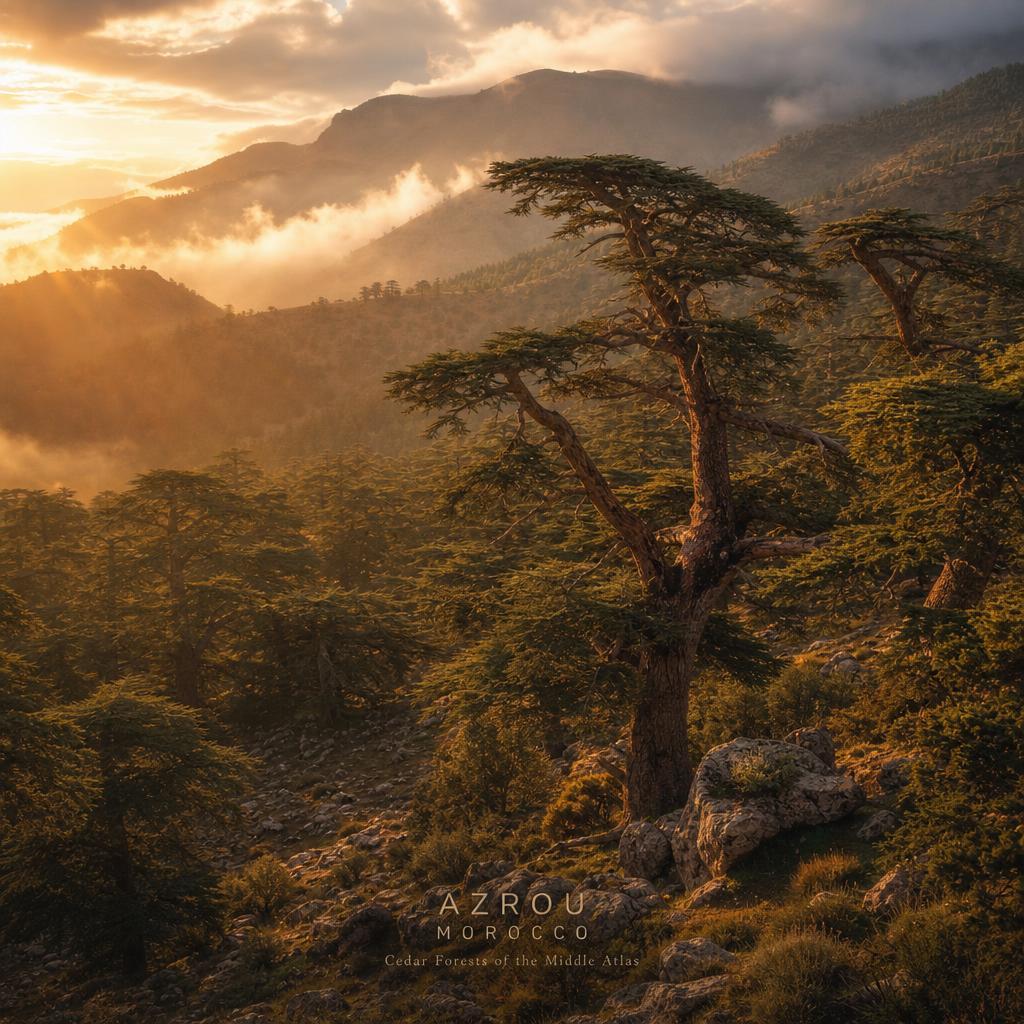
A local guide in Azrou brings something that no app or online itinerary can replicate: accumulated, lived knowledge of a specific landscape. They know which forest sections hold macaque troops this season, which paths become slippery after rain, which viewpoints catch the light at different times of year, and where the quiet corners are that do not appear on tourist maps. This local ecological literacy makes the experience richer and keeps you safer than following a generic route.
Beyond logistics, a good local guide acts as a cultural bridge. They understand the relationship between Amazigh communities and the land, speak the right languages for the context, and can read whether a village visit is genuinely welcome or poorly timed. Travelers who book through an aggregator or join a generic tour often miss this layer entirely, arriving at locations without understanding what they are seeing or how to behave respectfully.
Signs of an Ethical and Capable Guide
An ethical guide will be upfront about what a tour can and cannot guarantee. They will not promise macaque sightings, specific waterfall flow, or sunrise conditions — because these things depend on seasons and nature. They will tell you what the current conditions are likely to be, offer alternatives if conditions change, and encourage you to verify any changeable information before you travel. Honest communication about uncertainty is a mark of professionalism, not a weakness.
Look for guides who set clear wildlife observation rules before entering the forest, discourage feeding or touching animals, ask for your group's walking pace and experience before choosing a route, and welcome questions about the landscape and local community. Guides who rush, push guests toward photo opportunities that stress animals, or make guarantees they cannot keep are prioritizing short-term income over long-term responsibility.
- Does the guide explain wildlife ethics before entering the forest?
- Are they honest about seasonal limitations and changeable conditions?
- Do they adapt the route to your group's pace and ability?
- Do they support local businesses and communities along the route?
- Do they have genuine local connections rather than generic branding?
Booking Direct and Supporting the Local Economy
When you book a tour through a large platform or international agency, a significant portion of the fee leaves the local economy before the guide is paid. Booking directly with a local guide or a locally based agency keeps more of your spending in Azrou — supporting the guide's livelihood, their family, and the wider community that depends on tourism being done well. Ask your accommodation or fellow travelers who they would personally recommend, and make contact directly wherever possible.
A direct booking conversation also allows you to explain your interests, walking ability, and any specific requests before the tour begins. This is the foundation of a customized experience rather than a repeat of the same walk every guide does by default. It also gives you a chance to assess communication, responsiveness, and whether the guide's values around responsible travel match your own.
Questions Worth Asking Before You Book
Before confirming any guide booking in Azrou, it is worth asking a few practical questions: How will the route be adapted if conditions change? What is the policy on wildlife interaction? What should you bring, and what does the tour price include? What happens if the weather is unsuitable? A guide who answers these questions clearly and without evasiveness is likely to be reliable on the day.
You should also ask whether the guide has any relationship with the communities you will pass through. Local guides who have grown up in or near the area often have family connections to villages along the route, which changes the nature of a cultural visit significantly. This kind of deep local embeddedness cannot be fabricated and is one of the clearest advantages of choosing a genuinely local operator over a nationally marketed brand.