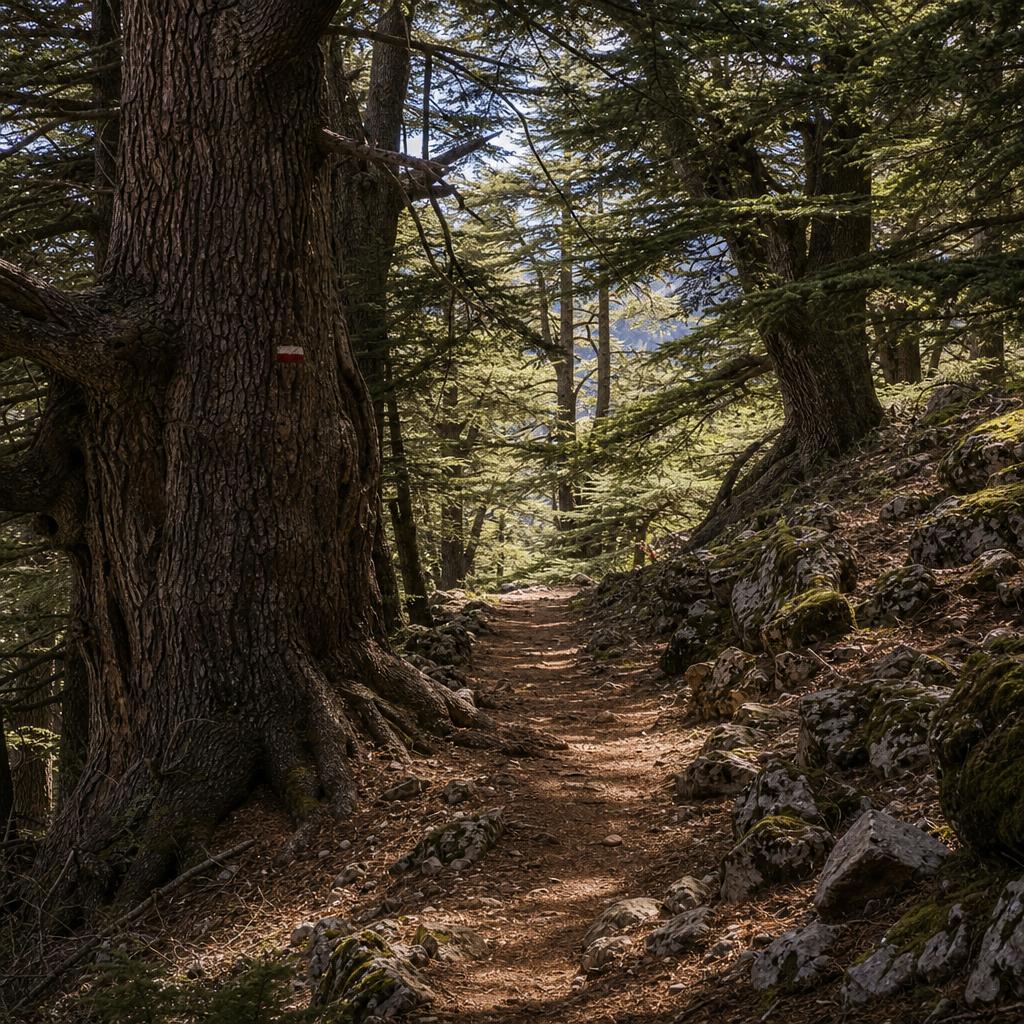
Why Guide Choice Matters for Wildlife Welfare
A wildlife guide in the Azrou cedar forest occupies an unusual position: they have the power to make encounters better or worse for both the animals and the visitors, and their operating norms set the standard that paying visitors accept or reject. A guide who brings food to attract macaques closer, allows visitors to crowd the troop for photographs, or tolerates feeding from other parties in the group is causing real harm regardless of how entertaining the encounter may feel in the moment.
Conversely, a guide who briefs their group thoroughly before entering the forest, enforces distance consistently, reads animal behaviour aloud so guests understand what is happening, and will calmly delay or redirect a visit when conditions suggest the troop is stressed is adding genuine conservation value. This kind of guiding also produces better encounters — because the animals behave naturally when they are not alarmed.
Questions to Ask Before You Book
Before committing to any wildlife guide in Azrou, ask these questions directly and listen carefully to the answers. 'Do you bring food to attract the macaques?' should be answered with an unqualified no. 'How close do you allow clients to get to the animals?' should produce a thoughtful answer about maintaining at least 5–10 metres and reading the troop's reactions. 'What do you do if the animals seem stressed?' should produce a clear process, not a dismissive reassurance.
Ask how long the guide has worked in the Azrou cedar forest specifically — local knowledge of individual troops, seasonal patterns and specific parts of the forest is qualitatively different from general wildlife guiding experience. Ask whether they have worked with groups including children, wildlife photographers, or visitors with limited mobility if any of those describe your party. A guide who asks questions back — about your interests, fitness, experience with wildlife, and the composition of your group — is more likely to tailor the experience well.
- Do you use food to attract macaques? (Answer should be: no)
- What distance do you maintain from the troop?
- How do you handle a situation where visitors try to feed animals?
- How many years have you guided in the Azrou cedar forest?
- What briefing do you give clients before entering the forest?
- What happens if the troop seems stressed or the conditions are unsuitable that day?
Recognising Good Practice on the Day
Even if a guide has said the right things in advance, observe their practice once you are in the forest. A responsible guide briefs the group before entering — not as a brief disclaimer but as a genuine explanation of why the rules exist and what they look like in practice. They maintain their stated distance throughout the visit and intervene quietly if a group member drifts closer. They communicate what the animals are doing and why, turning observation into education rather than mere spectacle.
A guide who is reading the forest — pausing to listen, scanning the canopy, interpreting sounds and signs before the troop is visible — is demonstrating genuine skill and knowledge. One who walks the same short loop between a car park and a known feeding spot regardless of conditions is not providing the same quality of experience or the same level of care for the animals.
Supporting Responsible Tourism in Azrou
When you choose a guide who operates ethically, you are doing more than protecting one afternoon's experience — you are signalling to the local tourism economy that responsible practice is what visitors value and reward. Reviews that specifically mention ethical practice, no feeding, and good wildlife briefings help other travelers make better choices and create economic incentive for guides to maintain high standards.
If you observe clearly harmful behaviour during your visit — feeding, crowding, chasing — it is worth noting this calmly at the end and, if the behaviour is systematic, in any public review you write. The goal is not to shame individual guides but to establish a clear community norm that the macaques in the Azrou cedar forest deserve to be observed rather than exploited. That norm is built one visit at a time.