Setting Expectations Before You Arrive
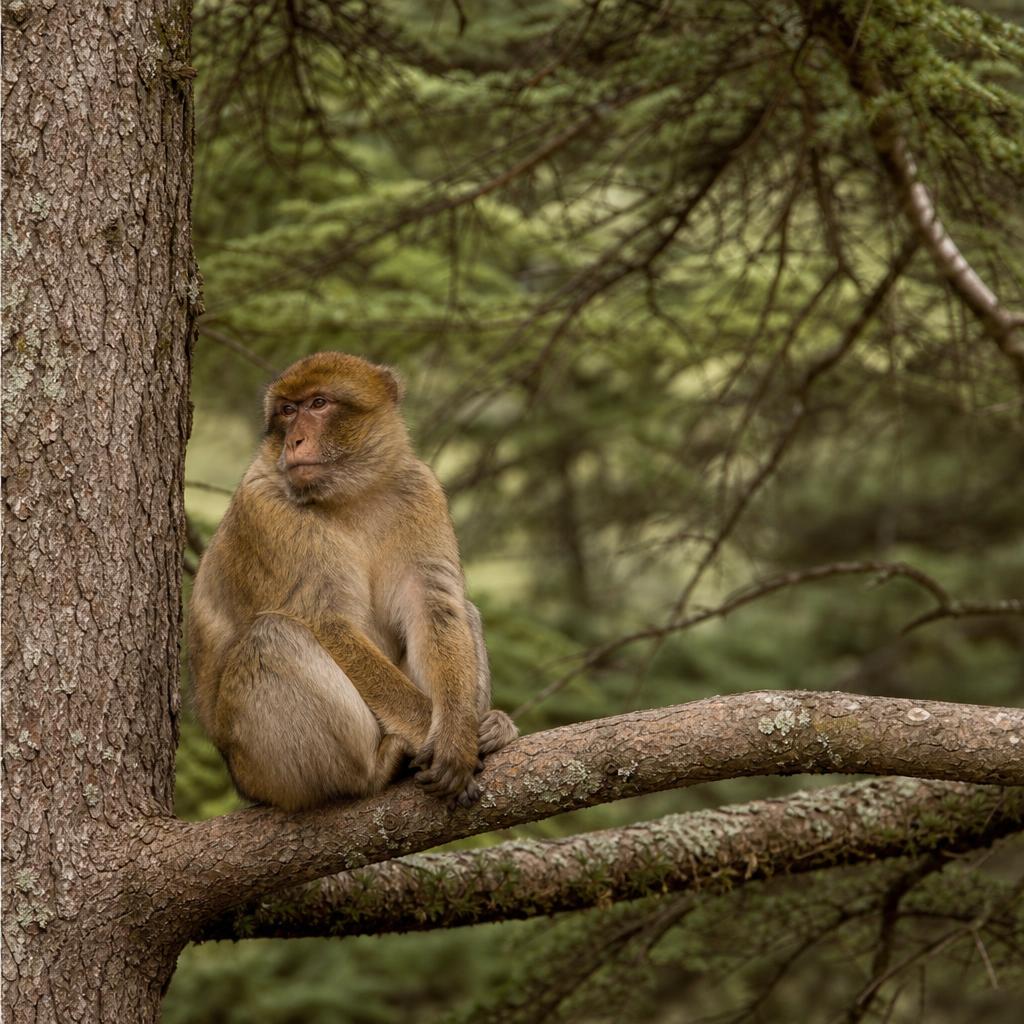
Children who understand what they are going to see — and why the rules exist — are far more likely to enjoy the encounter and behave in ways that protect the animals. Before your visit, explain that Barbary macaques are wild animals who live in the cedar forest, not pets or performers. They do not follow a script, so sometimes the troop will be visible quickly and sometimes it takes patience and quiet walking to find them. That uncertainty is part of what makes it a genuine wildlife experience.
Frame the distance rule positively: 'We watch from far enough away that the macaques keep doing interesting things.' Children often respond better to understanding the reason for a rule than to receiving the rule alone. You can also explain that macaques are endangered — facing real pressure from habitat loss — so the way visitors behave directly affects whether the troop thrives.
Simple Rules Children Can Remember
Keep the guidance concrete and short. Three things are enough for younger children: no touching, no feeding, and quiet voices. Older children can add no chasing, no blocking the animals' path, and stay with the group. Practise calm, steady walking before you enter the forest — excited running and sudden direction changes are unsettling to the troop.
If a macaque approaches your child directly, coach them to stand still, avoid eye contact, and wait. Turning to run or screaming may trigger a chase response. A guide who has worked with families can help position the group so that macaques are unlikely to approach individual children — this comes from knowing the troop's typical movement patterns and choosing viewpoints accordingly.
- No touching or reaching toward any macaque
- No food out of sealed bags at any point in the forest
- Quiet voices and no running
- Stay together as a group at all times
- If an animal approaches, stand still and look slightly away
- Follow the guide's instructions immediately if asked to move
Choosing the Right Route for Your Family
Not every forest trail is equally suitable for families with young children. Some paths traverse steep or uneven terrain, and longer routes can tire small legs faster than expected. When planning with a guide, share the ages and walking experience of your youngest children explicitly — a route that is perfect for a confident ten-year-old may be too long for a five-year-old. A guide who knows the forest well can build in rest stops at scenic spots, keeping energy and mood positive throughout.
The cedar forest offers sensory richness beyond macaques: bird calls, the smell of resin, enormous ancient tree trunks, animal tracks in soft earth. Giving children time to notice and ask questions about these details — rather than treating everything as a detour from the 'monkey stop' — tends to produce a better day for the whole family.
After the Encounter: Talking It Through
The car journey home is often when children process what they saw and ask the most interesting questions. Why do macaques groom each other? What do they eat in winter? Why are they endangered? These conversations deepen the experience and can spark a lasting interest in wildlife and conservation. You do not need to have all the answers — 'I don't know, let's find out together' is a perfectly good response.
Photographs and short videos children took themselves (from a respectful distance) often become the prompt for these conversations. Encouraging them to write or draw about the experience later reinforces memory and builds awareness of wildlife as something worth protecting, not just observing once.