Summer Temperatures in the Middle Atlas: Cooler but Still Significant
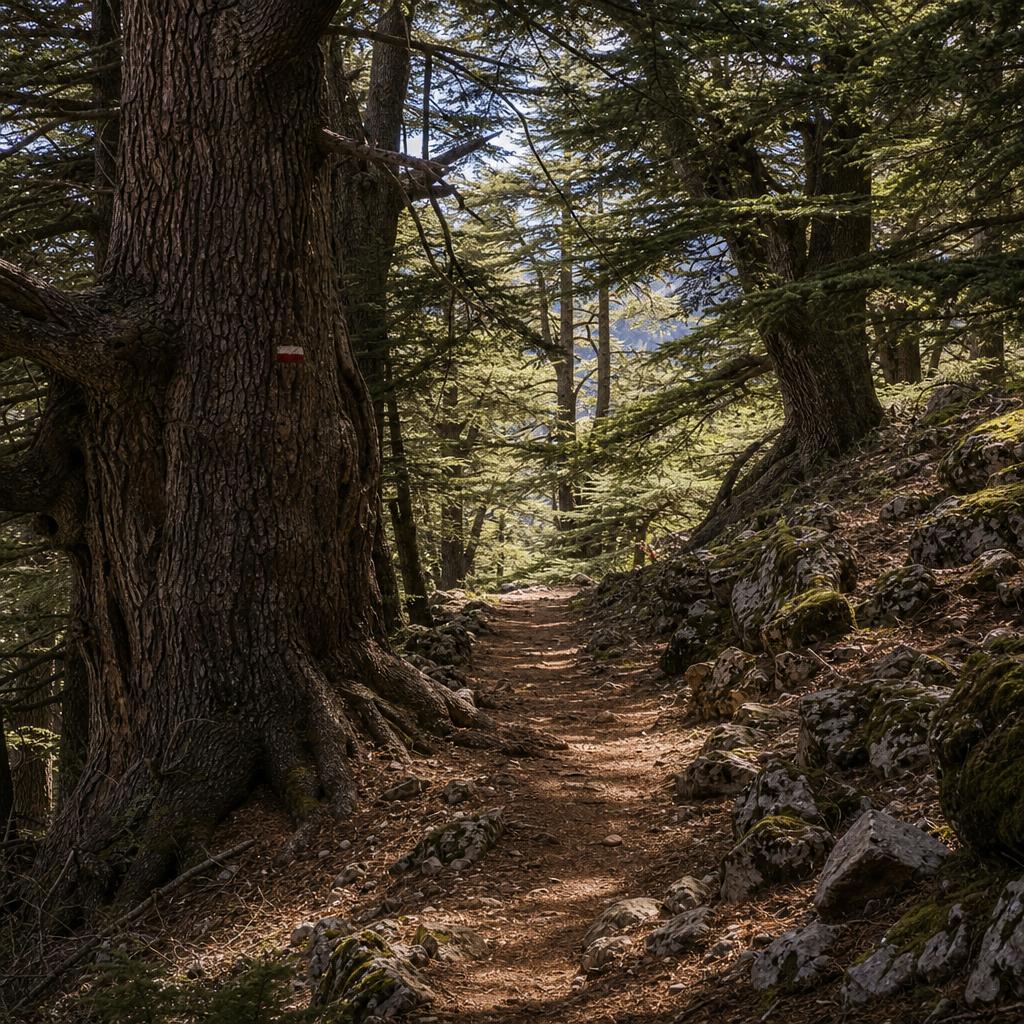
Azrou sits at around 1,500 metres elevation, which keeps daytime temperatures noticeably cooler than Fez, Marrakech, or the coastal cities in summer. Typical summer highs range from the low to mid-twenties Celsius in the forest, though open ridgeline sections in direct afternoon sun can feel considerably warmer. More importantly, UV intensity at this altitude is meaningfully higher than at sea level — sunburn and UV fatigue can develop faster than visitors expect, particularly on the longer exposed sections of mountain routes.
The hottest period of a summer day in the Middle Atlas typically runs from around 11am to 3pm on clear days. Hiking early (departing by 7 or 8am) allows you to cover the most exposed and demanding terrain in the cooler morning hours and reach shade or your destination before the midday peak. Starting mid-morning and hiking through the hottest part of the afternoon is the most common heat management mistake on summer routes near Azrou.
Hydration Strategy for Hot-Weather Hiking
In summer conditions, the standard water recommendations must be revised upward. Two litres per person for a half-day hike is a minimum — three litres is safer for anyone doing an active four-hour walk in warm weather, and a full-day summer hike may require four or more litres per person depending on the temperature and terrain. These numbers feel large until you are two hours into a sunny ridge walk with nothing left in your bottle.
Electrolyte balance matters alongside total fluid volume. Drinking large amounts of plain water without replacing the sodium and minerals lost through sweat can contribute to hyponatremia (water intoxication) — a less common but real risk on hot-day hikes. Salty snacks alongside your water, or a simple electrolyte sachet added to a bottle, help maintain the balance. Avoid alcohol the evening before a hot-day hike, which compounds dehydration. Urine colour is a practical indicator: pale yellow means adequately hydrated; dark yellow or amber means drink more now.
- Minimum 3 litres per person for a 4-hour summer hike in warm conditions
- Salty snacks alongside water to maintain electrolyte balance
- Avoid alcohol the evening before a hot-day summer hike
- Monitor urine colour: pale yellow = hydrated; dark = drink now
- Carry a reusable insulated bottle to keep water cool longer
Recognising and Responding to Heat Exhaustion
Heat exhaustion is a real risk on exposed summer trails and appears before the more serious condition of heat stroke. Warning signs include heavy sweating, weakness, cool or pale skin despite the heat, a fast and weak pulse, nausea or vomiting, and muscle cramps. If anyone in your group shows these signs, move to shade immediately, have them rest lying down with legs slightly elevated, apply cool water to skin, and begin hydrating with water and electrolytes. Do not continue hiking until the person feels fully recovered.
Heat stroke — a medical emergency — involves hot skin, rapid pulse, confusion, and a loss of sweating. If you suspect heat stroke, call for help immediately and seek medical assistance. This distinction matters: heat exhaustion can be managed on the trail; heat stroke cannot. Your guide is experienced in recognising the early signs of heat illness in the Middle Atlas environment. Alerting them at the first hint of symptoms, rather than trying to push through, is always the right move.
Practical Summer Hiking Strategies Near Azrou
Timing and pacing are the most powerful heat management tools available. A 7am forest departure, a rest in shade during the 11am–2pm peak, and a gentle return in the late afternoon sun — when it is lower and less intense — is the rhythm that experienced summer hikers use in this region. If you cannot start early, a half-day afternoon walk that begins around 3 or 4pm and returns before dark is a reasonable alternative, using the cooler end of the day rather than the hottest middle portion.
Clothing choices matter significantly in summer. Lightweight, loose-fitting, light-coloured long-sleeved shirts protect from UV without overheating as much as tight synthetic base layers in direct sun. A wide-brimmed hat is more effective than a cap for full face and neck coverage. Lightweight trekking trousers protect legs on the scrubby sections of trail that can scratch bare skin, while also providing some UV shielding. Verify forecasted temperatures with your guide for the specific elevation of your planned route, as temperatures at the trailhead and temperatures at the highest point of the walk can differ by several degrees.