How Season Shapes Macaque Movement in the Cedar Forest
Barbary macaques are active year-round in the Azrou cedar forest, but their visibility shifts considerably with the season. In late spring and early summer, troops tend to be more mobile and more frequently encountered near lower forest trails as they follow the flush of new plant growth. Late summer and autumn see extended foraging activity in the higher canopy as animals build energy reserves before winter. In winter, when heavy snowfall is possible in the Middle Atlas, troops may retreat to denser, more sheltered areas of the forest that are less accessible to day visitors.
Dawn and mid-morning hours are generally more productive for sightings than midday, when many animals rest in the canopy during the hottest part of the day. Late afternoon activity often picks up again as temperatures drop, particularly in summer. These patterns are tendencies, not fixed rules — a troop's actual location on any given day depends on factors including food availability, recent disturbance, and weather. Conditions change, and it is always worth asking your guide what they have observed recently.
Weather, Visibility and Forest Conditions
Calm, dry mornings with moderate temperatures generally offer the most comfortable forest walking and tend to find macaques in predictable foraging zones. After heavy rain the forest floor is rich with invertebrates and fungi, which can bring ground-foraging animals to eye level, but muddy trails require more careful footwear and some paths may be temporarily impassable. Strong winds cause discomfort in the canopy and often push troops into sheltered gullies where visibility from trails is reduced.
Fog is common in the Middle Atlas, especially in spring and autumn, and while it creates extraordinary atmospheric conditions for photographers, it can make animal-spotting more difficult. Dense fog also makes forest navigation more challenging for visitors without local knowledge. A guide who knows the forest in various conditions is particularly valuable when weather is unsettled.
What Fresh Signs Tell a Guide
An experienced forest guide reads the environment for clues even before a macaque is visible: cedar bark freshly stripped for sap; half-eaten pine cones or acorns on flat rocks used as anvils; fresh scat on branches; small branches trembling when there is no wind. These signs narrow the search area considerably and allow the guide to position the group ahead of the troop's likely direction of travel.
The sounds of the forest are equally informative. Macaques produce a range of vocalisations, including contact calls between troop members and alarm calls in response to aerial predators. Learning to distinguish these sounds — your guide can help — adds a layer of engagement to the walk even before any animals are visible.
- Freshly stripped cedar bark indicates recent macaque feeding activity
- Scuffed leaf litter and disturbed ground suggest ground-foraging
- Contact calls between troop members help locate their general area
- Alarm calls (rapid, repetitive) may signal a predator overhead — look up
- Moving quietly yourself makes these sounds easier to hear
Setting Expectations for Your Visit
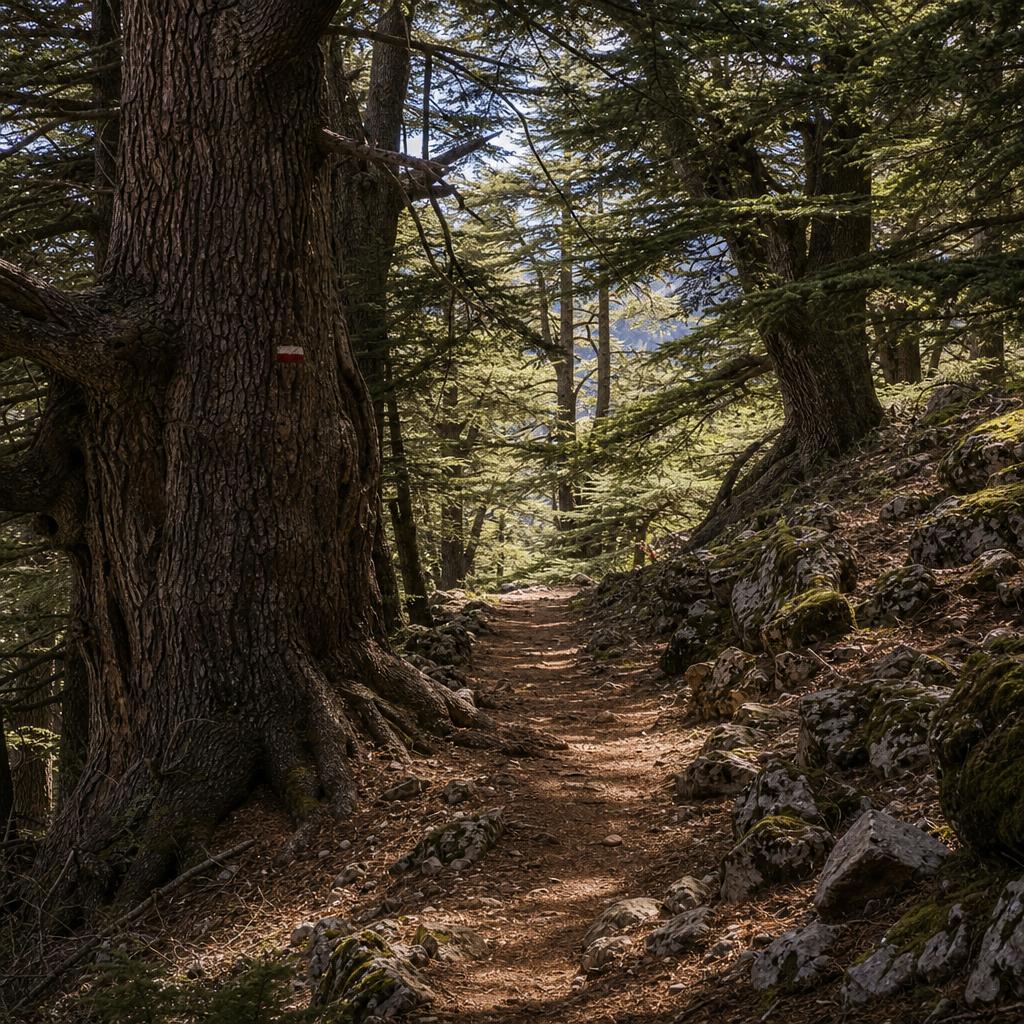
The most enjoyable wildlife visits are those where seeing the macaques is a hoped-for outcome rather than a fixed guarantee. The cedar forest is extraordinary in its own right — ancient trees, mountain air, bird life, and a landscape that rewards slow attention regardless of what large mammals appear. Visitors who walk with curiosity about the whole ecosystem, rather than treating the forest as a backdrop for a macaque encounter, consistently report more satisfying days.
If your heart is set on a sighting and you have limited time in Azrou, communicate that clearly to your guide before the walk. They can prioritise the areas and times of day where the probability is highest given current conditions. Always ask about conditions closer to your visit date rather than relying on generalised seasonal advice that may not reflect the specific week you are there.