The Shape of a Good One-Day Visit
The most common mistake on a one-day Azrou visit is trying to see everything. The cedar forest, the macaques, the Amazigh town, a village, a waterfall, a souq — on paper it seems doable; in practice, you end up seeing nothing properly. A better approach is to pick two or three experiences that genuinely interest you and give each one the time it deserves. The forest alone, done slowly with a local guide, is a full morning. The town, done at a walk rather than a march, is a rewarding afternoon.
A natural rhythm for one day: arrive in Azrou by mid-morning, spend the late morning and early afternoon in the cedar forest with or without a guide, return to town for a late lunch at a local restaurant, then explore the town centre on foot in the afternoon before departing in the early evening. If you have specific wildlife or photography goals, shift the forest walk earlier — the forest light and animal activity both tend to be better before midday.
Forest First: Why Morning in the Cedar Grove Pays Off
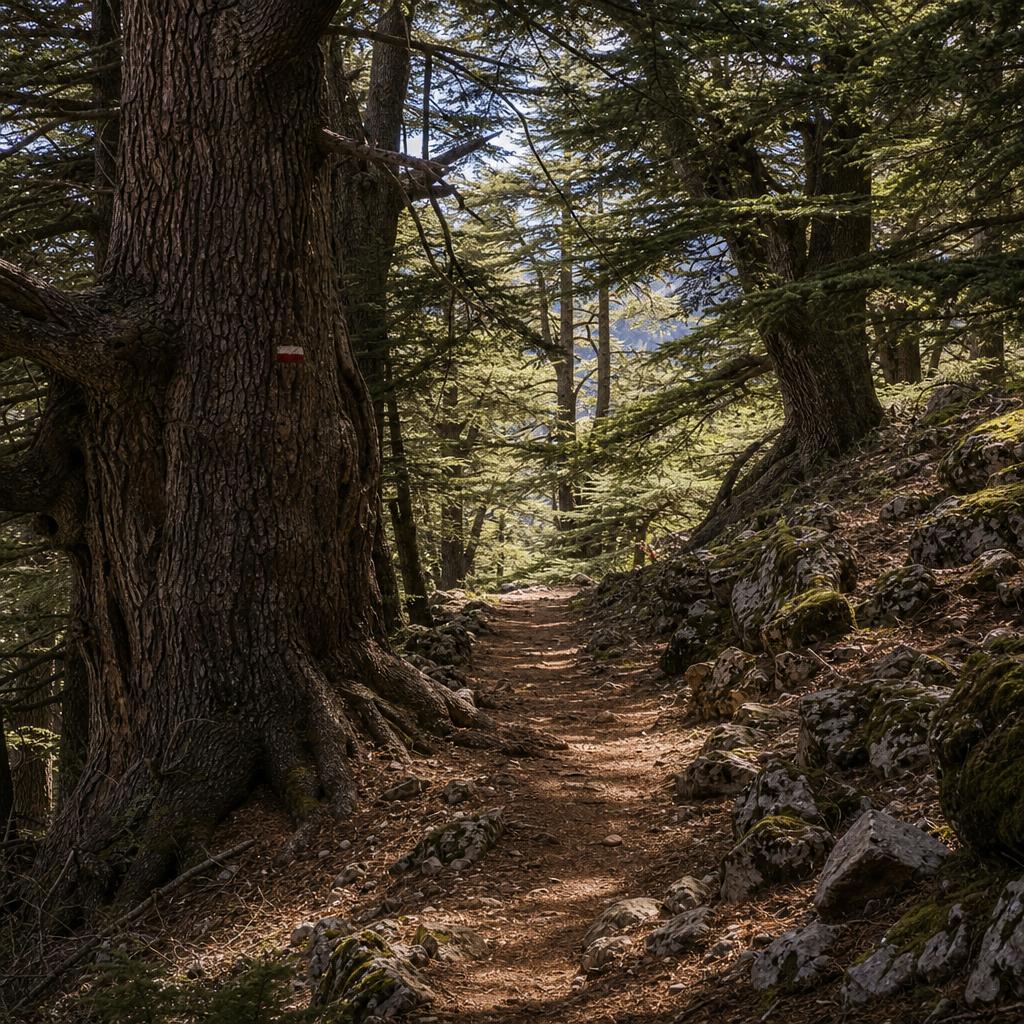
The Azrou cedar forest is at its best in the morning hours. Light filters more dramatically through the canopy, temperatures are cooler at altitude, and wildlife — including the Barbary macaque troops that make their home here — tend to be more active before midday heat sets in. If you are arriving from Fez or Meknès on a day trip, aim to reach the forest edge by 9 or 10 in the morning rather than waiting until after lunch.
Even a 90-minute walk under the cedars leaves a strong impression. A two or three hour walk with a guide, who can point out centuries-old trees, explain the ecology, and locate macaque troops without disturbing them, turns a pleasant walk into something memorable. If wildlife watching is your priority, be honest with your guide: an ethical wildlife session needs patience and quiet, which means a slower pace and fewer kilometres covered.
Town, Market, and the Afternoon Hours
Azrou's town centre is easy to explore on foot and takes roughly an hour at a comfortable pace. The rock formation that gives the town its Amazigh name — 'azrou' means 'rock' — sits near the centre and is worth finding. The covered market area and its surrounding streets offer a quieter and more local atmosphere than many Moroccan towns of similar size. A bowl of harira, a glass of sweet mint tea, and a slow watch of the afternoon activity from a café terrace is one of the most pleasant ways to use the remaining daylight.
If there is time in the late afternoon, a short walk on the outskirts of town looking toward the Atlas ridgeline gives a useful sense of the landscape scale. Azrou sits in a broad valley ringed by forested hills; the vista is understated but genuinely beautiful in the golden hour before sunset. Do not extend a one-day visit into a rushed sunset chase — leave that for a future overnight stay when you can be in the forest at first light the following morning.
What to Skip on a One-Day Visit
On a single day, skip the longer waterfall trek: it takes a half day at minimum, requires sturdier footwear than most day-trippers carry, and its appeal is best appreciated when you are not also watching the clock. Similarly, an Amazigh village excursion, while rewarding, works best when it is not squeezed between two other activities. Save those for a two-day visit when you can give them the space they deserve.
The honest advice is to resist over-scheduling. Azrou has a pace of its own and it is part of what makes the place appealing. If you find yourself rushing between locations, you have probably planned too much. Two experiences done well will stay with you longer than five experiences done badly.
- Skip the waterfall trek unless you arrive early and have sturdy shoes
- Do not attempt both a village visit and a full forest hike in one day
- Leave buffer time: mountain roads and forest paths rarely run to a tight schedule
- One longer, unhurried experience beats three compressed ones