Why Two Days Changes Everything
A single day in Azrou tends to feel like a visit; two days starts to feel like a stay. That shift matters because the Middle Atlas rewards the kind of attention you can only give when you are not watching the departure clock. The early morning forest, the middle of the day in town, the late-afternoon quality of light on the Atlas ridges — these things only appear when you stop trying to compress them into a single loop.
Two nights in Azrou also means you can split your energy across genuinely different experiences rather than cramming everything into one exhausting day. A morning wildlife walk on day one, a slower cultural afternoon, a more physically active day two — that kind of rhythm suits the place and leaves you better off than trying to tick every box in a single session.
Day One: Cedar Forest and Wildlife
Begin your first morning with the cedar forest. An early start — 8 or 9 a.m. — gives you the best combination of light, cool air, and wildlife activity. A local guide can take you through the older groves, explain the ecology of the forest (the cedars here are genuinely ancient; some are several centuries old), and help you locate Barbary macaque troops without crowding or disturbing them. Allow at least two to three hours for this; more if you have photography goals or young children.
Return to Azrou for a late morning or early afternoon lunch. The town's small restaurant district does straightforward, satisfying Moroccan food — tagine, couscous on Fridays, harira, and fresh bread. Spend the afternoon walking the town at leisure: the covered market area, the old part of town near the namesake rock, and the quieter streets where local life unfolds without any tourist staging. Tuesday is the weekly souq; if day one falls on that day, the afternoon in town becomes noticeably richer.
Day Two: Villages, Waterfalls, or a Longer Forest Loop
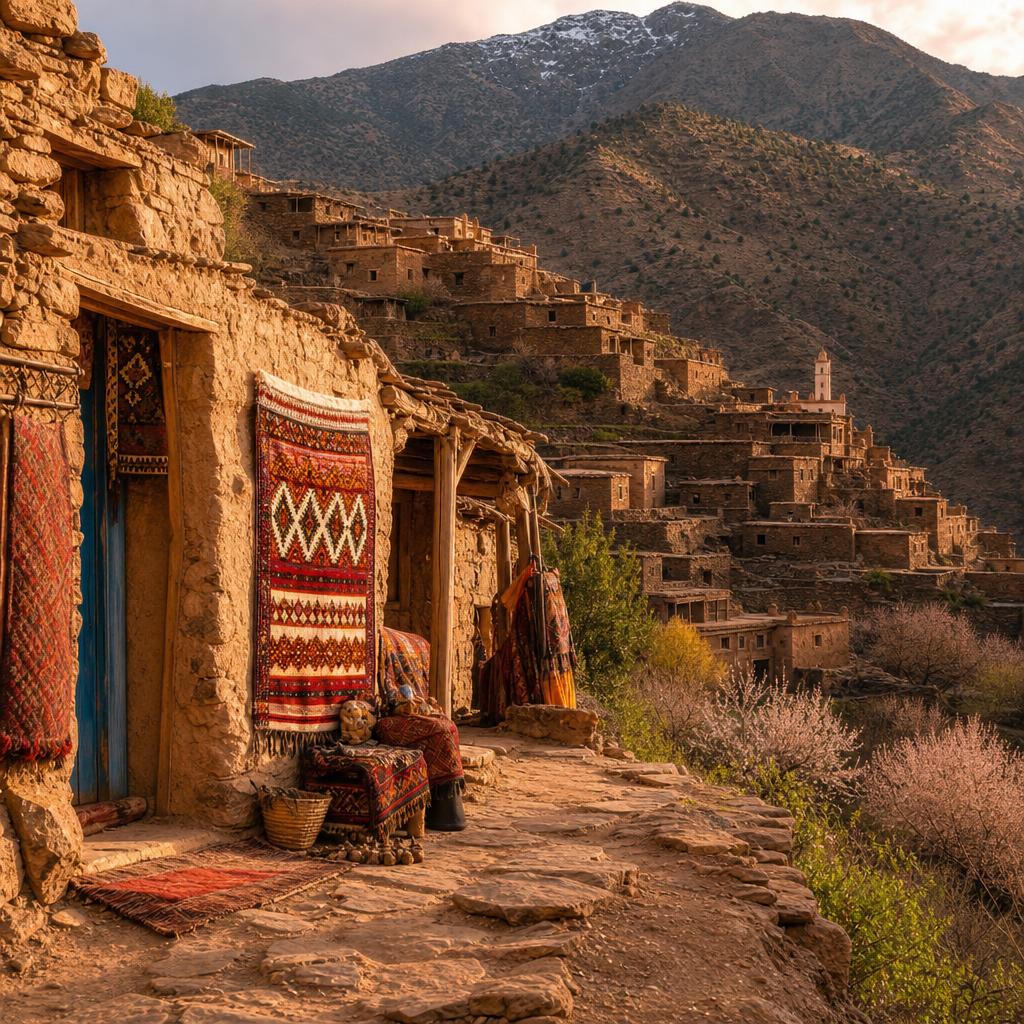
Use your second day for a different type of experience. If cultural depth appeals to you, an Amazigh village excursion paired with a gentle forest walk makes an excellent half day. A good local guide will introduce the village context thoughtfully, explain Amazigh mountain life without exoticising it, and create space for genuine conversation when welcomed. The other half of the day can be spent resting, exploring a different part of the forest, or simply sitting with the landscape.
If you prefer more physical activity, day two is the right moment for a longer forest loop or a waterfall trek. The hidden waterfall routes near Azrou require moderate fitness and sturdy footwear, but the payoff — forest paths, seasonal cascades, and a genuine sense of wilderness — is substantial. Always check current trail conditions locally before setting out; waterfall routes in particular can be affected by seasonal water levels and path conditions.
- Cultural path: Amazigh village visit + gentle forest walk
- Active path: hidden waterfalls trek or a longer cedar forest loop
- Photography path: mix sunrise forest light with village or market scenes
- Rest path: a slow forest wander, a long lunch, and an afternoon reading
Logistics for an Overnight in Azrou
Accommodation in Azrou ranges from simple, clean guesthouses to a small number of more comfortable riad-style options. Standards vary; reading recent traveller reviews before booking is sensible. Most options are in or near the town centre, which puts you within easy walking distance of restaurants, the market, and the forest trailheads. Parking is available if you are arriving by private car.
Evenings in Azrou are quiet by Moroccan city standards, which suits most visitors who have been active outdoors during the day. A long dinner, a walk through the quieter evening streets, and an early night in preparation for a morning forest walk is a rhythm that works well. Arrange your second-day guide and any planned excursions the evening before rather than the morning of — it removes stress and allows an earlier start.