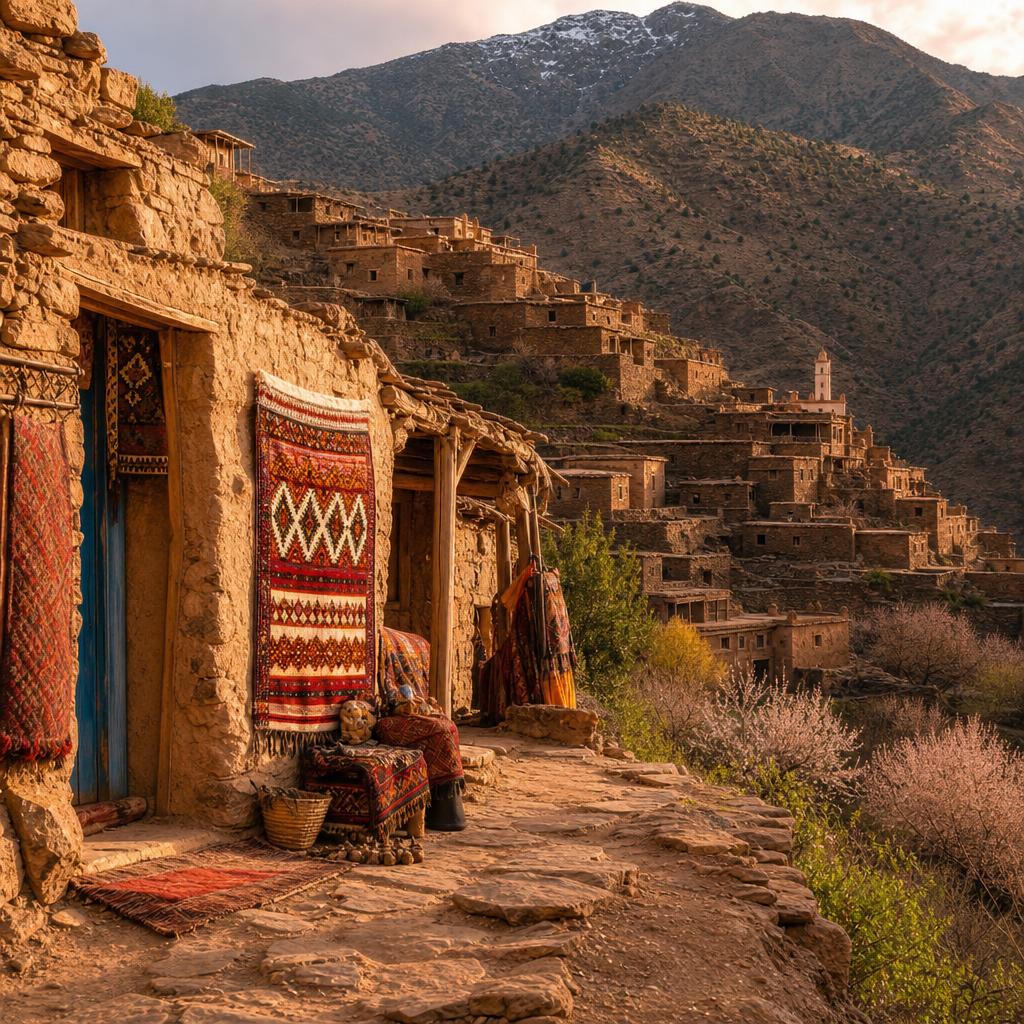
Understanding the Communities You Are Visiting
The Amazigh people — sometimes referred to in travel writing as Berber, though many community members prefer Amazigh or Imazighen — are the indigenous inhabitants of North Africa, with a distinct language, Tamazight, a deep oral literary tradition, and long-established seasonal and agricultural practices shaped by the Middle Atlas landscape. The villages around Azrou are not preserved heritage sites: they are active communities where people farm, raise families, attend school, and navigate modern life alongside centuries-old customs.
Approaching a village visit with this understanding changes everything. You are a guest, not a viewer. The community is sharing something personal, not performing for travelers. This perspective — simple as it sounds — produces the most respectful and often the most rewarding cultural encounters, far more so than a checklist of photo opportunities or a hurried walk through the lanes.
Dress, Behavior, and Basic Etiquette
Modest clothing is the single most practical preparation for a village visit. This means covered shoulders and knees for all genders. In smaller, more traditional communities, this is also a mark of genuine respect that is immediately noticed and appreciated. Loose, layered clothing is practical for the mountain climate regardless of cultural considerations — mornings can be cool even in summer.
Inside a home, remove your shoes when invited to do so. Accept tea when it is offered — refusing can be perceived as rejection of hospitality, which holds significant cultural weight. Eat with your right hand if food is shared. Do not wander into private rooms or unannounced areas of a home. Follow your guide's lead: they will read the situation and tell you when a space is open or when you should hold back.
- Dress modestly — covered shoulders and knees for everyone
- Remove shoes at the entrance to a home if your host does
- Accept tea when offered; it represents hospitality
- Do not photograph the interior of homes without explicit permission
- Keep voice levels calm — loud, fast-moving groups change the feeling of a visit quickly
- Ask your guide before entering any building that is not clearly public
Photography and Consent
Photography of people — particularly women, elderly residents, and children — requires a genuine, unpressured yes before you raise your camera. A nod to your guide to ask on your behalf is often the most natural approach; they can frame the request in the right language and with the appropriate tone. If the answer is no or hesitant, accept it without negotiation. A warm interaction without photographs is more respectful and often more memorable than an image taken at the expense of someone's comfort.
Photographing architecture, landscapes, market goods, and public spaces is generally acceptable, but reading the atmosphere matters. If a place feels quiet, private, or occupied in a way that suggests you are not expected, ask first or move on. Photography that exoticizes poverty, frames people as curiosities, or reduces a community to a backdrop for your travel content causes lasting harm to how those communities are perceived and how they experience future tourism.
Contributing Positively During Your Visit
The most sustainable cultural visits are those where the community benefits as well as the traveler. Buying locally made crafts directly from artisans — without aggressive bargaining that undercuts the value of skilled work — keeps money in the village. If your guide arranges a meal or tea, ask whether there is a fair way to contribute. When a household has been genuinely hospitable, a thoughtful acknowledgment matters more than a token tip.
Avoid making promises you will not keep. Do not tell a child you will send them a photograph if you will not. Do not suggest business or development ideas to community members in passing. These interactions, repeated across thousands of visitors, build expectations that rarely materialize and can erode trust in travelers generally. A clean, honest, and generous visit — one that leaves the community unchanged except perhaps slightly more warmly disposed toward future guests — is the most you can realistically offer.