Understanding the Middle Atlas Mountain Climate
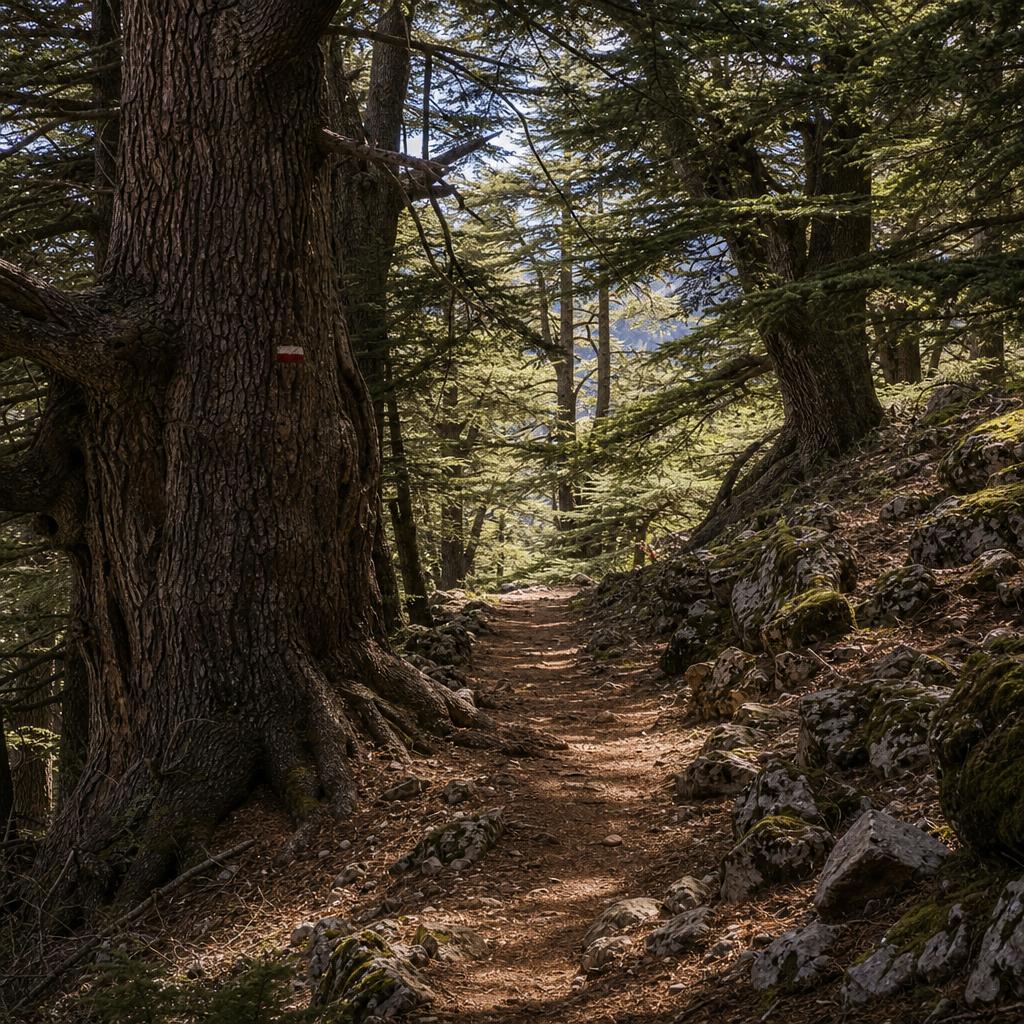
Azrou sits at roughly 1,500 meters above sea level, and many of the cedar forest trails climb higher. At this altitude, temperatures are noticeably cooler than on Morocco's Atlantic coast or in cities like Fes, even during summer. Mornings in the cedar forest can feel genuinely cold before the sun reaches the canopy, while midday temperatures in open viewpoints can be intensely warm. The gap between early morning and early afternoon temperatures is wide enough to require serious layering.
Summer afternoons in the Middle Atlas — particularly July and August — can also bring convective thunderstorms that form quickly, with little warning from the morning sky. These are not reliably forecastable from home, which is why asking your local guide about conditions on the specific day of your walk is essential. Guides who know the area well can read cloud formations, temperature patterns, and seasonal probabilities in ways that online forecasts rarely capture for mountain microclimates.
Hydration: How Much Water and Where to Get It
On a moderate half-day walk in the cedar forest, one liter of water per person is a minimum; for a full-day or moderate-to-challenging route in warm weather, two liters or more is appropriate. Dehydration at altitude is accelerated by cool, dry air that masks the sensation of thirst — you may not feel thirsty until you are already mildly dehydrated. Drink small amounts regularly rather than waiting until you are thirsty.
Refill points inside the forest are not reliably available for tourists, and drinking directly from streams without treatment is not advised for visitors unfamiliar with local water conditions. Fill your reusable bottle from a trusted source in Azrou town before setting out. Your guide or accommodation can direct you to an appropriate source. Carrying water treatment tablets as a backup is a sensible precaution on longer routes.
- Minimum 1 liter per person for a half-day walk; 2+ liters for full-day or warm conditions
- Use a reusable bottle filled in Azrou before the walk — no reliable refill inside the forest
- Drink small amounts regularly; do not wait until you are thirsty
- Carry water purification tablets on longer or more remote routes
- Keep water accessible in a side pocket, not buried in your pack
Layering for a Mountain Day
The practical approach to Middle Atlas weather is layering: a moisture-wicking base layer, a mid-layer fleece or light insulating jacket for the cool morning forest, and a lightweight waterproof shell that packs small and can be added quickly if rain arrives. In summer, you will likely shed layers by mid-morning — but do not leave them behind. The return descent can be cooler than the ascent, especially if cloud cover moves in.
Sun protection matters more at altitude than many first-time mountain visitors expect. UV intensity is higher above 1,500 meters even when the air feels cool, and cedar canopy does not provide continuous shade on open sections of trail. Bring a hat, sunglasses, and sunscreen, and apply them even on overcast days. Mountain skin burns faster than beach skin, and the sensation of cool air in the forest can be deceptive.
Footwear and Terrain Considerations
Trail conditions in the Azrou area vary significantly with season and recent weather. In spring and after rain, paths can be muddy and slippery, particularly on descents through clay-heavy soil. In summer, dry loose rock on upper sections can be equally treacherous underfoot. Closed walking shoes with a reasonable grip sole are the minimum for most cedar forest routes; dedicated hiking boots with ankle support are strongly recommended for waterfall treks or higher routes.
Walking poles are optional but useful for anyone with knee concerns, for descents on loose ground, or for routes that cross stream sections where balance is needed. Inform your guide honestly about your footwear and any physical limitations before the walk begins so that the route can be adapted appropriately. Responsible travel includes being honest about your own capabilities — it protects both you and the guide who is responsible for your safety on the trail.