Hydration: Carrying More Than You Think You Need
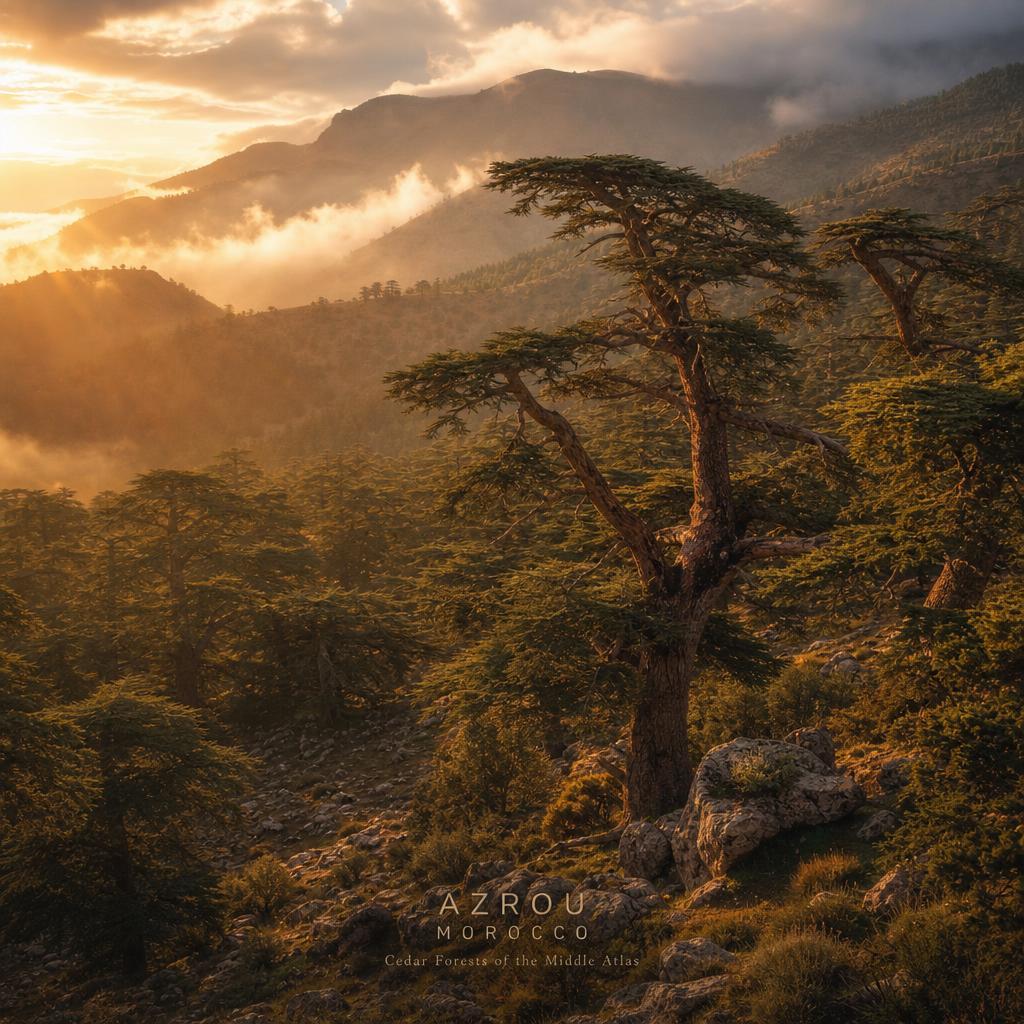
Water is the single most important thing in your daypack on any Middle Atlas hike. The cedar forest sits at elevations between roughly 1,400 and 1,900 metres, and the combination of altitude, exertion, and variable temperatures means your body uses water faster than you might expect — particularly in summer. A general baseline is 0.5 litres per person per hour of active hiking, adjusted upward for heat and steeper terrain. For a four-hour outing, two litres per person is a reasonable starting minimum; for a full day, plan for three or more.
Azrou town has pharmacies and small shops where you can buy bottled water before departure, but there are no reliable resupply points on the forest trails themselves. Do not count on filling up from streams or springs without treatment equipment, and always confirm with your guide whether any water source on the route is safe before drinking. Starting each hike with more than you think you need is consistently the better strategy.
Layers, Sun Protection, and Rain Cover
The Middle Atlas can move through several weather moods in a single day. Morning starts in the cedar canopy often feel cool even in July, while exposed ridges at midday become genuinely hot. The reverse applies in shoulder seasons: a sunny morning can turn overcast and chilly by mid-afternoon. Packing a light windproof or fleece layer in your bag — even on a warm forecast day — gives you options without adding meaningful weight. For rain preparation, see the dedicated article on hiking in wet conditions.
Sun protection is frequently underestimated at altitude. UV intensity increases significantly above 1,500 metres, and the open sections between cedar groves offer no shade. Apply sunscreen before you leave, carry it for reapplication at midday, and bring a hat with a brim or peak. Sunglasses reduce glare on bright rocky paths and also matter for eye comfort on any exposed ridge. Lightweight sun-protective clothing is more reliable than sunscreen alone on a full-day route.
- Light fleece or windproof jacket (stuffs small, used often)
- Sunscreen SPF 30 or higher, plus a brimmed hat
- Sunglasses — important on open ridgeline sections
- Compact rain cover or poncho for shoulder season and winter hikes
Food, Snacks, and Energy for the Trail
On half-day hikes of two to four hours, a couple of snacks — dried fruit, nuts, a cereal bar, or fruit — are usually sufficient if you have eaten breakfast beforehand. On full-day routes or anything over five hours, carry a proper lunch. Azrou has a small market and several bakeries near the central square where you can find good bread, olives, cheese, and local pastries in the morning before departure. Your guide can advise on the best options locally.
Avoid anything that melts, spoils quickly, or requires preparation at a rest stop. Hard-boiled eggs, flatbread, fruit, and nuts travel well. On hot summer days, be cautious with dairy products that have been sitting in a warm bag for several hours. A small amount of emergency food — even just an extra cereal bar — is worth carrying on longer routes in case the hike extends beyond your initial plan.
First Aid, Navigation, and Small Essentials
A basic first aid kit need not be large: blister patches, a small bandage, antiseptic wipes, and any personal medication you require cover the most common trail needs. Add a headlamp or small torch if there is any possibility your hike will run later than expected — batteries are light and the cost of being caught in a dark cedar forest without a light is disproportionate. Your guide will carry navigation tools, but telling someone in Azrou your planned route and expected return time is a sensible habit on any mountain day.
A fully charged phone with offline maps downloaded is a useful backup, though mobile signal in the forest is intermittent and should not be relied upon as your primary safety plan. Carry a small amount of local cash for any incidental purchases in Azrou before or after the hike. Trekking poles are optional but genuinely helpful for descents and creek crossings on the longer routes.
- Blister patches, small bandage, antiseptic wipes
- Personal medication (allergy, asthma, etc.)
- Headlamp with working batteries
- Fully charged phone with offline maps downloaded
- Small amount of local cash (for market purchases before departure)
- Trekking poles — optional but useful on descents