The Winter Character of the Middle Atlas Cedar Forest
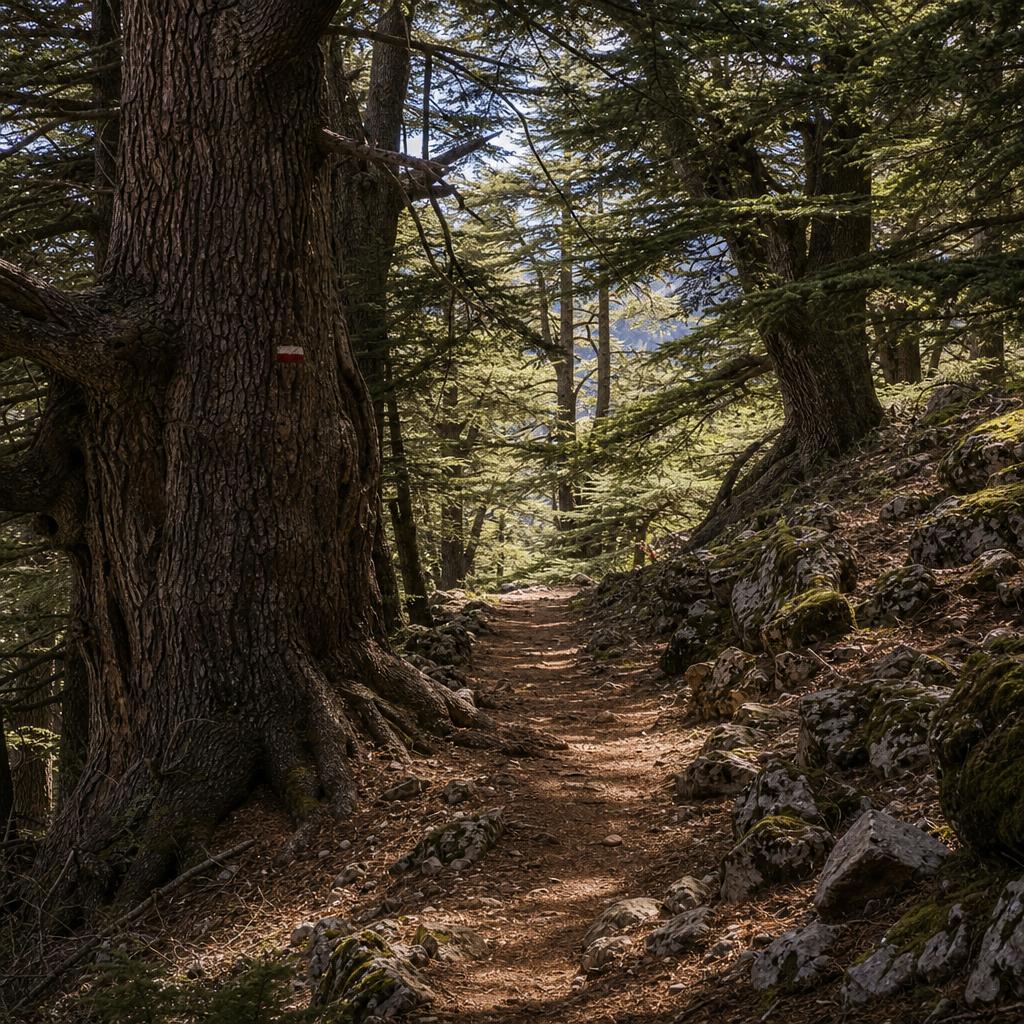
The cedar forest near Azrou sits at elevations where winter snowfall is a regular occurrence, typically arriving in late November and persisting on sheltered slopes through February. On a clear winter morning after fresh snowfall, the scene is extraordinary: ancient cedar branches carrying thick snow loads, long light angles, and silence that summer crowds make impossible. Macaque troops remain active through winter — they are cold-adapted animals whose range extends into regions with heavy snowfall — though their location and behaviour patterns shift with the season.
Winter also brings consistently short days, with usable daylight hours reduced compared to summer. Morning starts need to account for this: a 9am departure in summer gives you nine or more hours of light; in December it gives you roughly seven. Trail conditions vary considerably after snowfall — from passable compressed snow to icy sections on shaded north-facing slopes. Check conditions locally before any winter walk; do not assume that a dry morning at your hotel means dry, safe conditions in the forest.
Layering for Cold and Variable Mountain Conditions
The layering principle — base layer, insulating layer, waterproof outer layer — is more important in winter than in any other season. A moisture-wicking base layer (merino wool is particularly effective in cold conditions) keeps you dry from the inside; a mid-layer fleece or insulated jacket provides warmth during rest stops and cold descents; a waterproof and windproof outer shell blocks precipitation and wind chill. The ability to add or remove layers as you move and rest is what makes the system work — a single heavy jacket that you cannot regulate is less effective than three lighter pieces.
Extremities require specific attention in winter Middle Atlas conditions. Warm waterproof gloves or mittens, a hat that covers the ears, and a neck gaiter or scarf are not optional gear — they are the items most commonly underestimated by visitors arriving from warmer climates. Wool or synthetic hiking socks that provide insulation even when damp are significantly better than cotton in cold conditions. For footwear, a mid-cut boot with a waterproof membrane and adequate insulation rating is the minimum for snow conditions; microspikes (lightweight traction devices that fit over regular hiking boots) are worth carrying on any winter route where icy sections are possible.
- Moisture-wicking base layer — merino wool works particularly well in cold conditions
- Insulating mid-layer (fleece or synthetic insulated jacket)
- Waterproof and windproof outer shell
- Warm gloves or mittens — waterproof preferred
- Hat covering ears, neck gaiter or scarf
- Insulated hiking socks (not cotton)
- Mid-cut waterproof boots; microspikes for icy conditions
Which Winter Routes Are Accessible — and Which Are Not
The main cedar forest trails closest to Azrou town are accessible in most winter conditions, as they receive some traffic and are on lower slopes where snow compacts more quickly. They offer a meaningful winter forest experience without exposing hikers to the most challenging cold-season terrain. These are the sensible starting point for a winter visit, and a half-day loop in snow conditions is a full experience in itself.
Higher routes toward exposed ridgelines and the waterfall trails should only be attempted in winter with a guide who has current, specific knowledge of conditions. Ice on steep sections and fast-changing weather can close routes that appeared accessible at dawn. Multi-day winter routes into the broader Middle Atlas range require proper cold-weather mountain experience and appropriate gear beyond what a typical day hiker carries. Always discuss your winter plans in detail with your guide before arriving in Azrou, as some routes may be completely impassable for days or weeks at a time during heavy snowfall periods.
Planning Your Winter Day: Light, Timing, and Local Resources
A winter hike near Azrou works best when it starts early enough to use the available daylight fully. Aim to be on the trail by 9am at the latest, and plan your turnaround point so that you are back on the main path before the light starts to drop. In December and January, the useful light window closes faster than expected, particularly in the forest where shadows lengthen quickly once the sun drops toward the western ridges.
Azrou has accommodation, cafés, and shops that are fully operational in winter — it is not a summer-only destination. Local cafés near the main square provide a warm refuge before and after a winter walk. Your guide can help you find the best post-hike stop for mint tea or a bowl of harira. Dressing to be cold-comfortable rather than overdressed (which leads to sweating and subsequent chill) and planning a specific warm endpoint to look forward to after the walk are the two things that make a winter Middle Atlas day genuinely enjoyable.