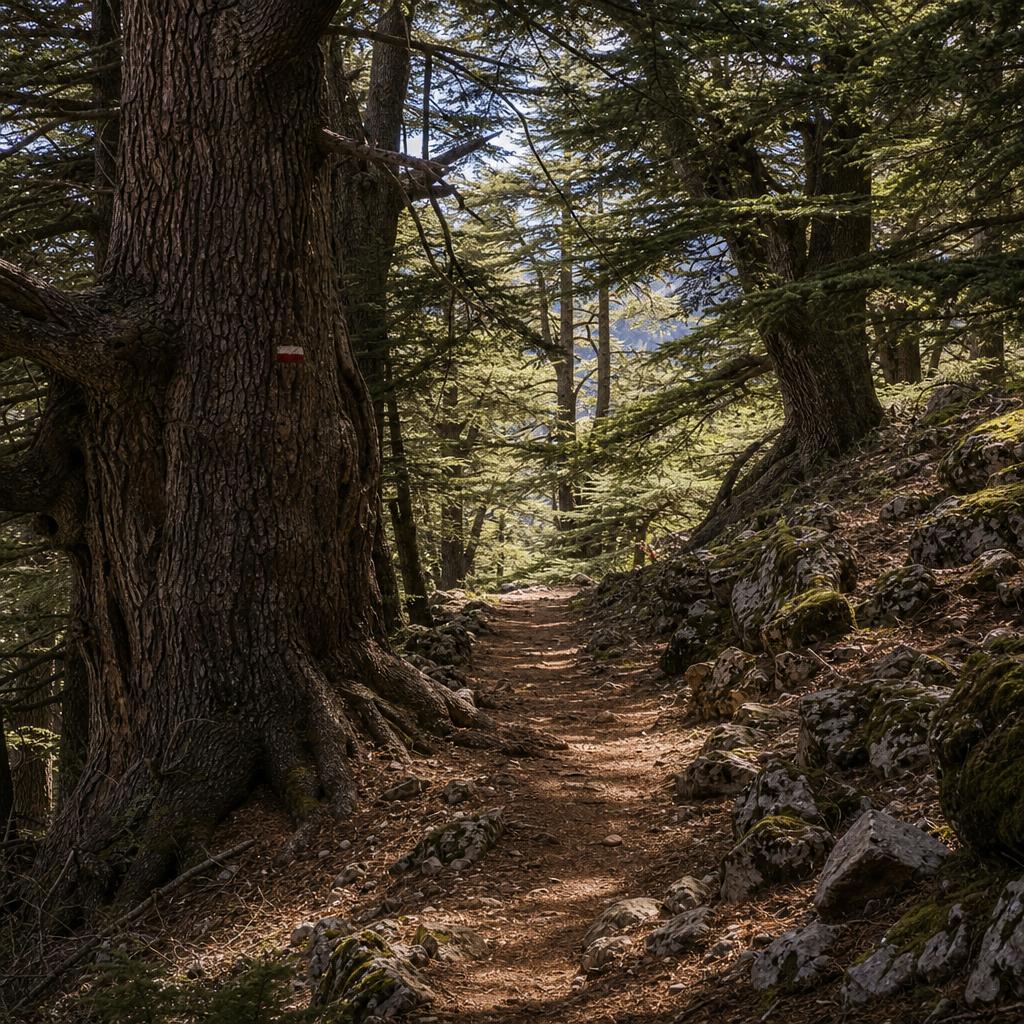
Why Local Guiding Matters in the Cedar Forest
The Azrou cedar forest is accessible without a guide in the sense that you can park a car, walk a path and return without getting lost. But accessibility is not the same as depth. A local guide who grew up near the forest and walks it regularly carries knowledge that no app, guidebook or website can replicate: which paths are currently in good condition, where macaques have been seen that week, what the seasonal fungi on the forest floor are called and which are edible, where the oldest trees stand away from the tourist clearings, and how the landscape connects to the wider Middle Atlas ecology and Amazigh cultural history. This knowledge is not decorative — it is the difference between a scenic walk and an informative one.
Local guiding also matters for safety and environmental impact. Guides who know the terrain route groups away from unstable ground after heavy rain, avoid areas where wildlife disturbance would be particularly costly, and keep groups on paths that minimise soil compaction. These are not things you can approximate with a downloaded map. The best case for hiring a local guide in the cedar forest is not that it is obligatory — it is that it makes the experience significantly better for you and significantly less harmful to the forest.
Questions to Ask Before You Book
Before confirming a guide, ask a few specific questions and pay attention to how they are answered rather than just what the answers say. Ask where the guide grew up and how long they have been guiding the cedar forest. Ask whether they will lead you away from the roadside macaque-feeding areas. Ask what route they would suggest for your group's size and walking ability, and why. Ask what their approach is to wildlife observation — specifically what they do if macaques approach. Vague, generic or evasive answers to these practical questions are useful data. Specific, thoughtful and honest answers suggest a guide who is genuinely engaged with the landscape rather than performing familiarity with it.
Ask also about group size. Small private groups (two to four people) allow for a different quality of interaction and a quieter, less disruptive forest walk than large shared groups. If a guide routinely works with groups of ten or more in the forest, the experience they offer is structurally different from one who works primarily in small groups — neither is necessarily wrong, but knowing the difference helps you set expectations accurately.
- Ask specifically about wildlife etiquette — a good guide discourages macaque feeding unprompted
- Clarify whether the price includes transport, or only the walk itself
- Ask what happens if weather or trail conditions require a route change
- Request a rough itinerary so you understand the format before committing
- Check whether the guide is available to answer questions by message before your arrival date
Signs of Good and Poor Guiding
Good guiding in the cedar forest looks like this: the guide sets a pace that matches the slowest member of your group; pauses frequently to point out things you would not have noticed; explains what you are observing rather than just narrating facts; adapts the route when something interesting presents itself; and keeps themselves and the group well back from any wildlife encounter. A good guide will discourage unsafe or disrespectful behaviour from the group, even at the cost of mild awkwardness, because they understand that their reputation is built on the integrity of the experience rather than on keeping everyone happy in the moment.
Poor guiding tends to look like one or more of the following: walking at a pace that prioritises covering distance over observing the forest; taking the group directly to the roadside macaque areas and staying there rather than exploring the broader forest; tolerating or participating in macaque feeding because the clients seem to enjoy it; offering scripted commentary that does not respond to the specific conditions of the day; or rushing the return because another group is waiting. None of these are catastrophic in isolation, but together they describe a guide who is managing a product rather than sharing a landscape. Trust your instincts on the first fifteen minutes — they are usually right.
What a Good Guided Walk Actually Looks Like
Practically: you meet in Azrou, discuss the day briefly, and move into the forest within thirty minutes. The guide establishes a relaxed pace, names a few trees or birds early to frame your attentiveness, and then lets the walk develop around what you encounter. There are pauses — some planned, some opportunistic. You leave the roadside clearings within the first twenty minutes. If macaques are seen, the guide positions the group at a safe, quiet distance and explains what the animals are doing rather than trying to create closer contact. Questions are welcomed and answered specifically. The return route differs from the outward path when conditions allow.
You arrive back in town with a sense of having been genuinely oriented to a place — with a few specific details that will stay with you rather than a generic forest experience. You know the name of the large tree you stood next to. You understand why the forest has a particular kind of smell. You know one bird call by sound. That is the modest, achievable promise of good guided forest walking, and it is worth paying for.