Before You Leave Your Accommodation
Check the weather forecast and the current sunrise or sunset time if you are planning an early or late visit. Confirm your meeting point and start time with your guide the evening before — morning logistics run more smoothly when they are settled the night before rather than negotiated at the forest edge. Download an offline map of the Azrou area; mobile signal inside the forest is unreliable and having a local reference prevents disorientation if your group separates. Ask your accommodation whether there is anything unusual about current conditions — road works, a local event, a trail closure reported after recent rainfall.
Eat a reasonable breakfast before a forest walk, particularly if you are leaving early. Low energy and cold temperatures combine to make a forest walk uncomfortable rather than invigorating for guests who skipped breakfast. Pack a small snack for extended walks — the forest has no refreshment infrastructure — and ensure everyone in your group has drunk water before you start rather than waiting until they are already thirsty. These are mundane preparations, but they consistently separate a comfortable forest visit from a difficult one.
- Confirm guide meeting point and time the previous evening
- Download an offline map covering Azrou and the forest zone
- Check current weather and adjust layering plan accordingly
- Eat breakfast; pack a snack for walks over two hours
- Fill a water bottle — plan for at least one litre per person for a half-day walk
What to Pack
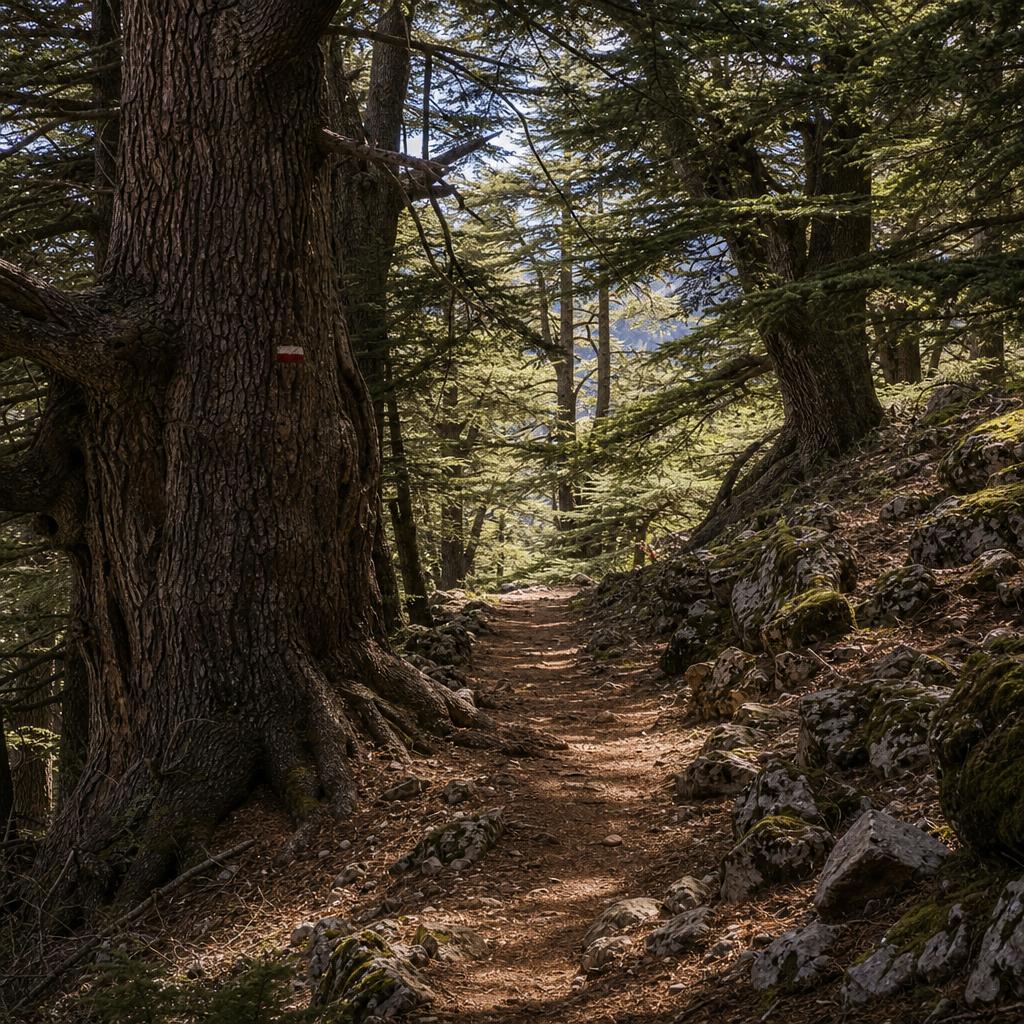
The cedar forest is not a remote wilderness requiring specialist gear, but it is a genuine outdoor environment with a few consistent demands. Footwear: closed-toe shoes or light hiking boots with some grip handle the needle carpet and tree roots better than trainers with smooth soles, and far better than sandals or fashion shoes. Layers: the temperature inside the forest is routinely five to ten degrees cooler than the open road, and in the morning or autumn this gap widens. A mid-layer fleece and a windproof shell take up minimal pack space and are genuinely useful. Sun protection: clearings and ridgeline viewpoints expose you to strong Atlas sun at altitude; a hat and sunscreen cover this adequately.
For photography: charged batteries (cold drains them faster than expected), a spare memory card if you carry a dedicated camera, and a lens cloth for the dew that settles on glass during early morning walks. A small day pack distributes all of this comfortably and frees your hands for balance on rooted paths. Trekking poles are useful for guests with knee sensitivity on any downhill sections, though most routes near Azrou do not require them. Avoid backpacks large enough to snag on low branches on narrow interior paths.
- Closed-toe shoes or light hiking boots with grip
- Warm mid-layer and windproof outer shell
- Hat, sunscreen and sunglasses for open viewpoints
- At least one litre of water per person
- Small daypack — large bags are awkward on narrow forest paths
- Camera with spare battery and memory card if applicable
On Arrival at the Forest
The roadside clearing near the main forest access point will typically have informal vendors and may have Barbary macaques in or near it. Brief any children in your group about macaque etiquette before you reach this area, not after: do not feed them, do not try to touch or hold them, do not chase them, and move slowly and quietly if they approach. Put away any food items before you enter the forest proper, not just the clearing. This is the most important pre-walk briefing point for groups that include children or first-time wildlife observers.
Once inside the forest, move at a pace that allows observation rather than just distance-covering. The first forest walk is almost always best done slowly: stop frequently, look up at the canopy, look down at the forest floor, listen for birds before identifying them by sight. If you are with a guide, follow their pace rather than yours — experienced guides read the forest as they walk and will pause when something is worth your attention. If you are navigating independently, keep a clear mental note of your entry point and direction so the return walk does not require guesswork.
After the Walk: What to Do with What You Experienced
Most visitors leave the cedar forest wanting either to return immediately or to stay longer on subsequent visits — a reliable sign that the experience has registered properly. While the details are fresh, note down what surprised you, what you saw, what questions you want answered on a next visit. First-time visitors who do this are consistently better prepared for a second, more rewarding walk than those who rely on memory alone.
Share information honestly and specifically in any reviews or recommendations you make to other travellers. The Azrou cedar forest benefits directly from accurate visitor accounts — particularly ones that mention guide quality, macaque etiquette, crowd levels at different times, and trail conditions — because this information shapes how future visitors approach the place. A single thoughtful, specific review outlining that early mornings on weekdays offer a genuinely different experience to midday weekends is more useful than a hundred generic five-star ratings. That is the last item on the first-timer's checklist: leave a useful record of what you actually found.