Building the Day Around Light Quality, Not Just Locations
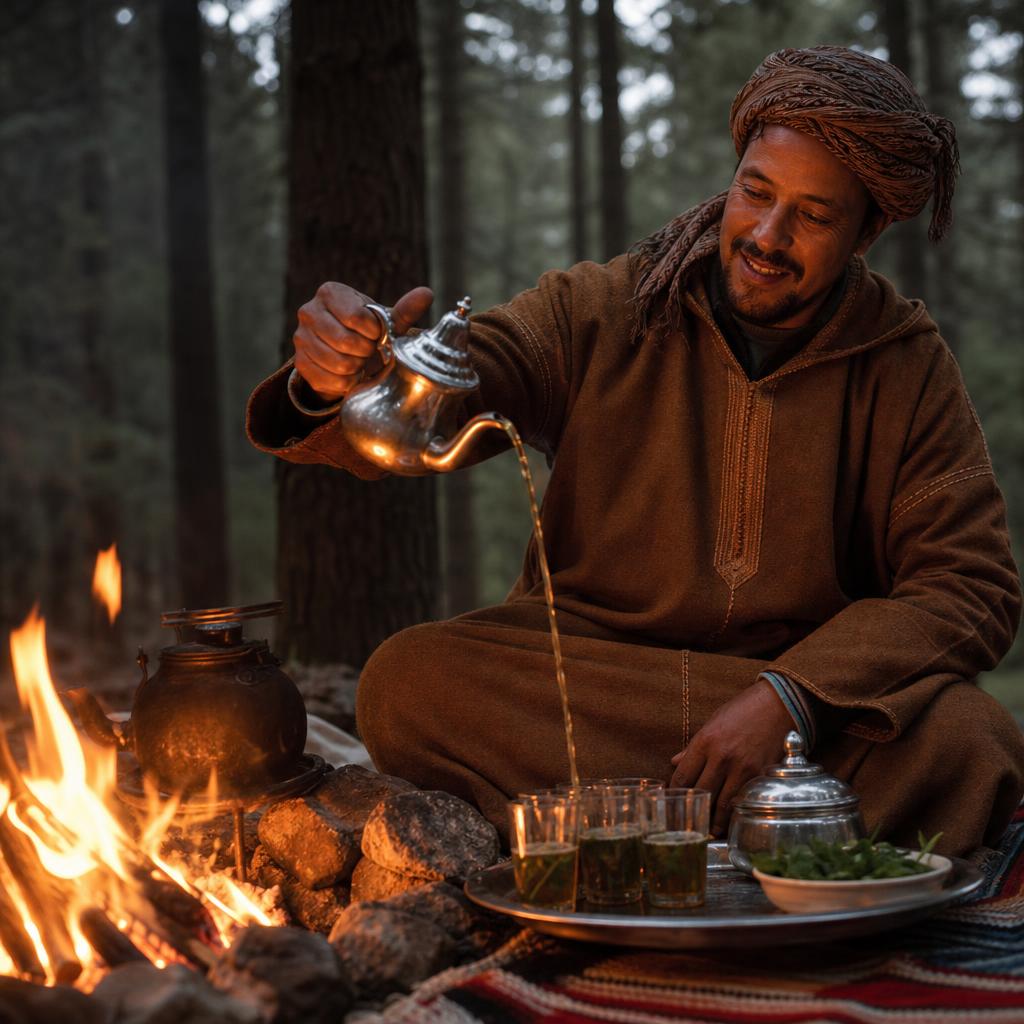
The most effective Middle Atlas photography itineraries are sequenced around the quality of light available at each time of day rather than around convenient driving order. Early morning (pre-dawn to two hours after sunrise) is for the cedar forest: directional low light, forest mist, macaque activity and the golden warmth that transforms bark and canopy. Midday, when overhead light is flat and uninteresting for most subjects, suits open plateau panoramas and mountain ridgelines where the wide sky provides context and scale without needing angled light. Late afternoon, as shadows lengthen again, is best for Amazigh village scenes, tea scenes and cultural details.
This sequence may not match the most logistically obvious order of sites. Discuss it with your guide before the day begins and make a plan that starts at the forest, moves outward to open views at midday, then returns to cultural scenes in the afternoon light. A full-day private or photography tour allows this kind of intentional sequencing in a way that group tours with fixed itineraries typically cannot.
Location Sequence: Cedar Forest, Plateau, Village
Start your day in the cedar forest before or at sunrise. Bring a wide-angle lens for forest interiors and a telephoto for wildlife. Walk quietly, stay on established paths and allow at least ninety minutes in the forest before the light goes flat. The first and most productive locations are often the quietest paths away from the main access road — your guide will know which ones offer the best combination of old growth trees and accessible light angles.
By late morning, move to open ground: a plateau viewpoint, a ridge above the forest, or a seasonal waterfall trail if conditions are right. This is the time for landscape panoramas, wide mountain views and, if you are on the waterfall route, long-exposure water compositions. Eat lunch in a comfortable spot with a view rather than returning to town — this keeps you positioned for the afternoon light rather than losing an hour to unnecessary travel.
- Pre-dawn to 2 hours post-sunrise: cedar forest light, wildlife, atmospheric mist
- Mid-morning: open forest paths, forest textures, understorey detail
- Midday: plateau panoramas, mountain ridgelines, wide landscape
- Early afternoon: waterfalls, forest edges, open sky compositions
- Late afternoon: village architecture, cultural details, warm portrait light
Practical Logistics: Gear, Transport and Weather
For a full photography day, pack the night before and check conditions the evening before your visit. Bring more battery power and memory than you think you need — a full-day shoot with burst mode and RAW files consumes resources quickly. Two camera batteries charged, two memory cards formatted and a small power bank for your phone is a sensible minimum kit. Keep a small dry bag or rain cover for gear in your pack even in summer, as afternoon thunderstorms develop quickly in the Middle Atlas between June and August.
Transport logistics affect your photography sequence significantly. If you are walking from Azrou town, the cedar forest is accessible in under thirty minutes on foot — but you will cover fewer varied environments in a day than if you have a vehicle available to move between the forest, plateau and village areas. A private guide day typically includes transport, which allows you to reach the best morning light positions at the right time and then move efficiently between afternoon locations without losing the light.
Working With a Local Guide to Improve Your Photography
A local guide improves a photography day in ways that go beyond navigation. A guide who knows the forest and its seasonal patterns can position you at the right viewpoint at the right time, identify what is happening in an animal behaviour scene before you try to photograph it, navigate the consent and relationship-building process in village settings, and adapt the day fluidly as weather and light conditions change. This allows you to focus on composition and technique rather than logistics and decision-making.
Before the day, communicate clearly what you are hoping to photograph: sunrise forest, wildlife, villages, waterfalls, cultural details, or some combination. Ask about current conditions for each — which waterfall has the best flow right now, which area of the forest has had most recent macaque activity, which village is currently welcoming visitors. This preparation conversation turns a general walk into a focused photography itinerary. Always verify changeable conditions — trail access, waterfall flow, animal ranges — locally before your visit.